

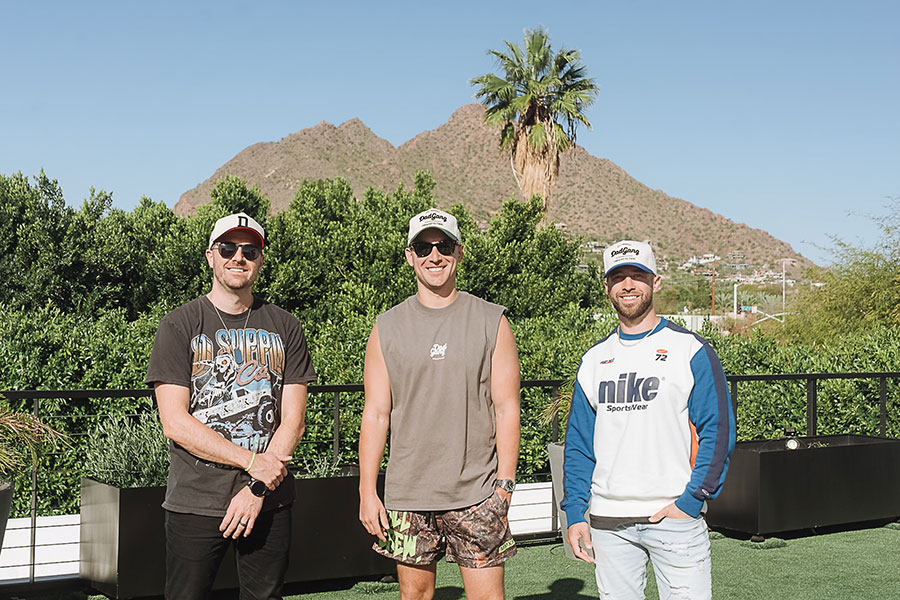
There is a particular kind of honesty that emerges when men talk about fatherhood without pretense. It is unfiltered, occasionally exhausted, often emotional, and increasingly communal. That honesty sits at the core of Dad Gang, a brand that began not as a business plan, but as a text thread between friends trying to make sense of their evolving identities as fathers.
What makes the story even more compelling is the scale it has quietly reached. From an initial investment of just $750, the founders have built a business that has generated more than $30 million in revenue, selling nearly one million hats and counting. Those numbers are impressive by any entrepreneurial standard, but they only tell part of the story. The Dad Gang brand has also cultivated a thriving community of more than 15,000 engaged fathers, proving that its value extends far beyond product.
Few direct-to-consumer brands reach eight-figure success with such minimal capital, and even fewer do so while building a cultural movement alongside it.
When the founders sat down with Millennial Magazine to tell their story, what unfolded was not simply a narrative about hats or entrepreneurship. In speaking with Grant Eastey, Bart Szaniewski, and Ejay O’Donnell, it became clear this is about redefining masculinity through presence, vulnerability, and connection.
From the outside, the trajectory looks impressive. But from the inside, it feels deeply human.
Dad Gang: Built From Brotherhood, Not Strategy
The origin story reads almost deceptively simple. There was no investor pitch deck. No meticulous five year roadmap. Just a group chat where three friends vented about sleepless nights, career pressures, and the quiet weight of responsibility.
“We were always texting about fatherhood and regular life,” Bart explains. “And when you have a core of brothers, you can vent and get support. We’d always end it with ‘you got this, dad gang.’”
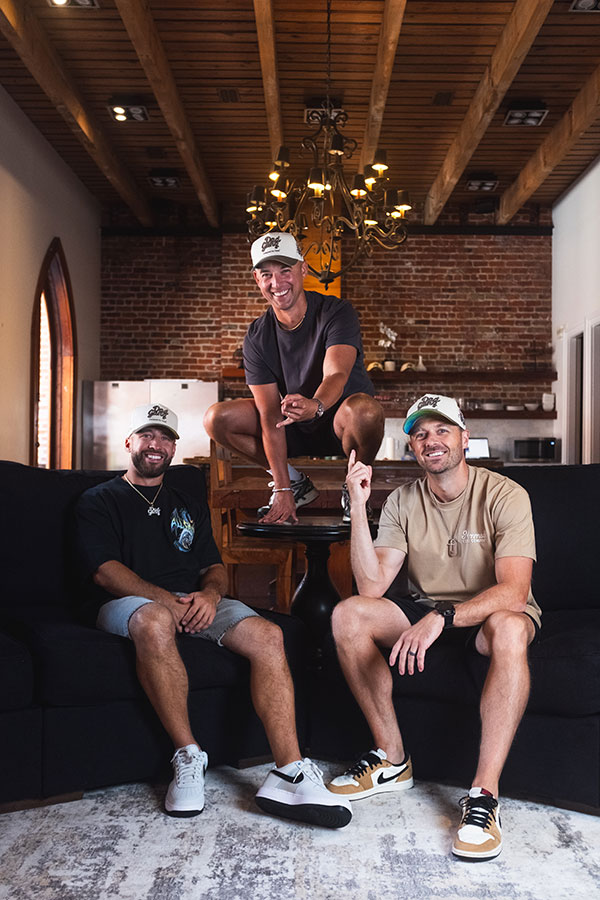
That phrase stuck. Not because it was clever, but because it was true.
The decision to put it on a hat was almost incidental. “It was the most casual approach to starting something,” Bart adds. “We can’t sit here and say we planned a business. It was something that felt needed.”
Ejay, who brought the visual identity to life, recalls the rare creative clarity of the moment. “We nailed it first try. That almost never happens in design.”
That instinctive alignment set the tone for everything that followed.
The First 100 Hats and the Start of Something Bigger
The first production run was modest. One hundred hats, posted casually on personal Instagram accounts.
They sold out in under 36 hours.
“At first it was mostly people we knew,” Grant says. “Then you start seeing names you don’t recognize, friends of friends, and you realize something’s happening.”

A second run of 300 followed. Gone within days. Then 700. Then more.
But what is striking is not the speed of the sales. It is the founders’ interpretation of them.
“We didn’t really know what we had,” Grant admits.
Rather than chase scale immediately, they doubled down on something less tangible and far more powerful.
Community.
Why Community Came Before Commerce
Bart, who leads marketing, describes an approach that runs counter to traditional ecommerce playbooks.
“If we’re going to build a brand around community, we have to build the community before we build sales,” he says. “If we sell hats and no impact is made, that’s not success to us.”
This philosophy shaped every early decision. Instead of optimizing ads for conversion, they optimized for connection. Instead of pushing inventory, they told stories.
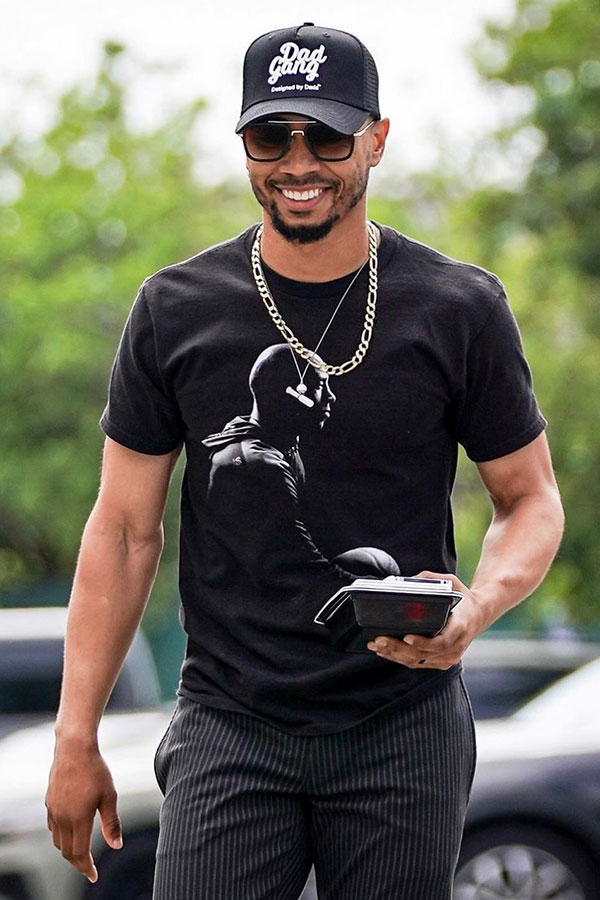
The result is a private community of nearly 15,000 fathers sharing everything from parenting advice to deeply personal struggles.
Inside that space, conversations range from the practical to the profound.
“Guys are asking about potty training one minute,” Bart says, “and the next minute someone’s sharing their sobriety journey and getting support from hundreds of dads.”
It is, in many ways, a reimagining of what male friendship can look like in adulthood.
The Emotional Weight Behind the Brand
There was a moment during our conversation that shifted the tone entirely. It was no longer about growth or strategy. It was about impact.
Grant recounted a story that lingered long after the interview ended. A man reached out after losing a family member in a tragic accident, asking if they could send the same hat his loved one wore so he could be buried with it.
“I called him right away,” Grant said. “There was just this release of emotion on the phone. It hit me that this is way bigger than a hat.”
Sitting there listening, I could feel the weight of that moment.
“It means so much to these dads,” he continued. “It’s not just something you wear. It’s something you feel.”
Even smaller moments carry similar gravity. A gifted hat to a struggling father later became a turning point in his life.
“He told us it changed his direction,” Ejay shared. “Now he’s back on his feet, with his kids, and he’s a customer for life.”
These stories are not anomalies. They are the infrastructure of the Dad Gang brand.
Redefining Fatherhood Through Presence
At the heart of the movement is a shift in how these founders define success. Not in revenue metrics, but in time.
Ejay spoke candidly about a moment that changed his life.
“I was commuting hundreds of miles,” he said. “I’d leave and come back and my daughter looked different. I realized I was missing too much.”

That realization led to career changes and ultimately shaped the ethos of the brand.
Presence over performance. Time over titles.
Grant connected this shift to generational patterns.
“I think a lot of it comes from seeing dads be gone,” he explained. “Not because they didn’t care, but because they had to provide. Now we’re asking, what if it could be different?”
That question sits at the center of everything they are building.
The Product as Identity
What makes Dad Gang particularly compelling is how seamlessly product and identity intersect.
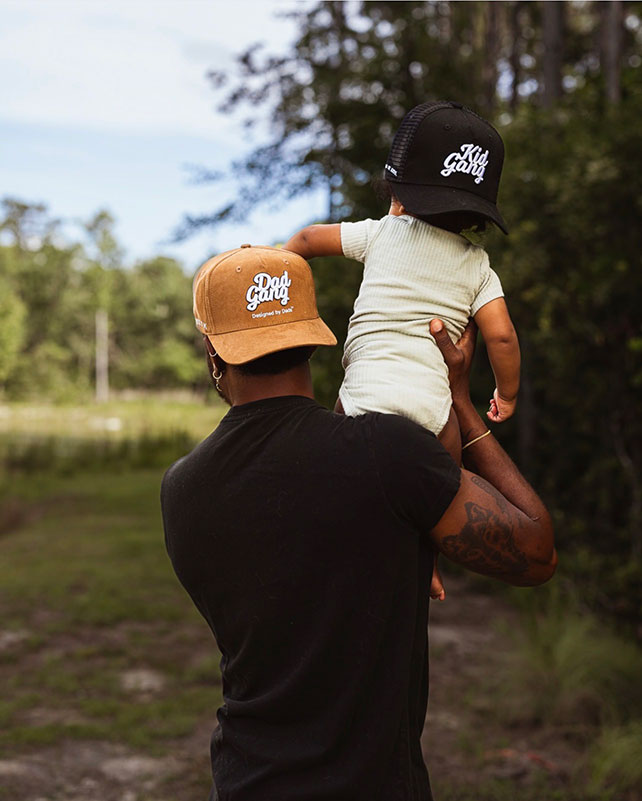
The hat is not just merchandise. It is a signal.
Grant described it as “unspoken support.” A quiet acknowledgment between strangers who share the same role.
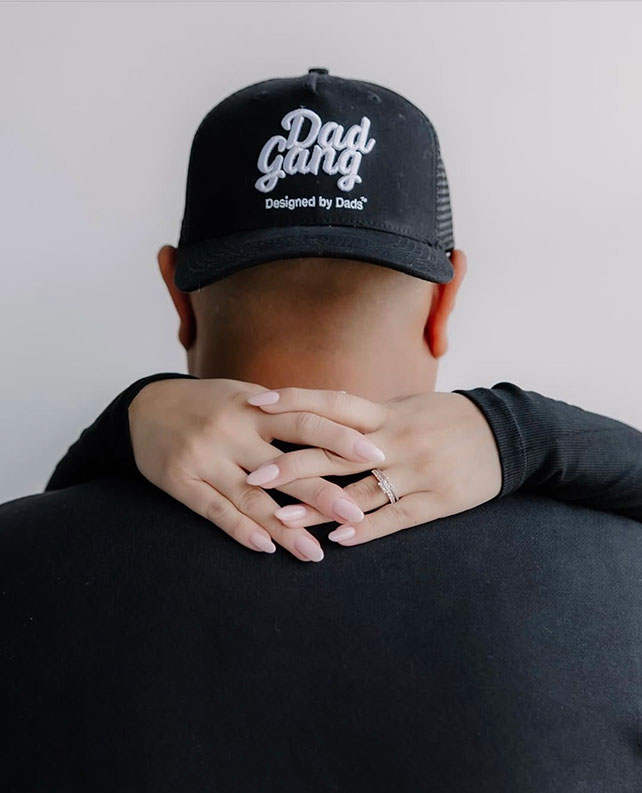
It is also a form of self accountability.
As I reflected during our conversation, wearing the hat feels almost like an affirmation. A reminder of responsibility, presence, and purpose. Not just something you own, but an identity you claim.
The founders agreed.
“It’s like stepping into that role,” Bart said.
This psychological connection is what transforms customers into lifelong advocates.
Scarcity, Storytelling, and the Collector Culture
While the emotional core drives loyalty, the business mechanics behind Dad Gang are equally intentional.
What began as accidental scarcity has evolved into a deliberate strategy. Limited releases, seasonal drops, and one time designs create urgency while reinforcing storytelling.
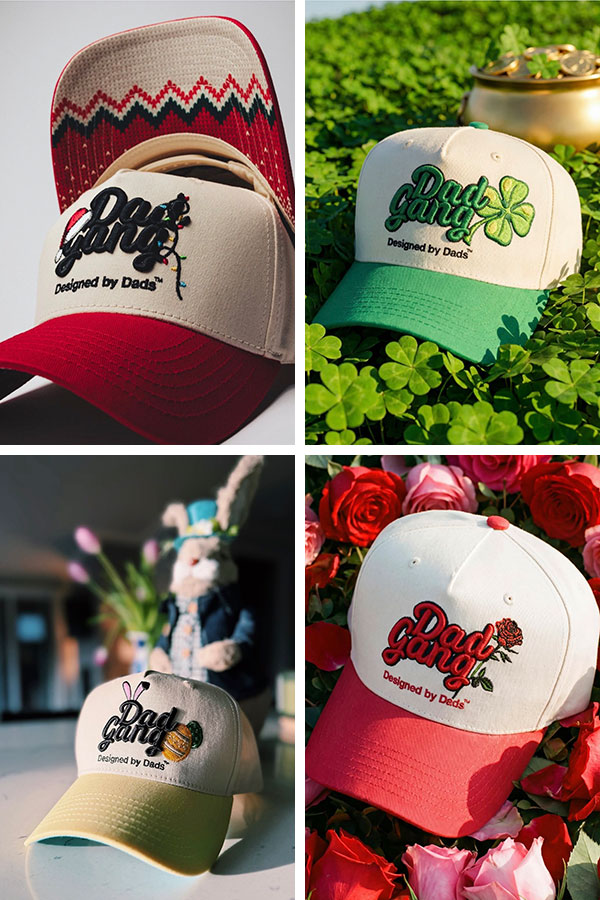
“We build a story around every launch,” Bart explained. “Why it exists, what it means.”
The result is a collector culture that borders on obsession. Some customers own dozens, even hundreds of hats.
Yet accessibility remains key to the founders.
“Hats are getting expensive,” Ejay noted. “We’ve made a conscious decision to keep ours around 35 to 40 dollars because we know dads have other priorities.”
This balance between affordability and aspiration has been critical to the brand’s sustained growth.
A Lean Business With Expansive Impact
Operationally, the company is remarkably lean. The three founders oversee core functions while partnering with external teams for logistics and support.
In the early days, fulfillment was deeply hands-on.
“Bart was shipping out of his garage,” Ejay recalled. “Then my house became a warehouse. Boxes everywhere.”

That startup scrappiness has translated into disciplined scaling.
“We’ve kept overhead low and stayed flexible,” Ejay said.
Equally important is what they have chosen not to adopt.
“We’ve all worked in environments where goals are created out of thin air,” Grant said. “We don’t do that. We don’t create unnecessary stress.”
This philosophy has allowed the Dad Gang brand to grow organically without losing its identity.
The Blueprint That Was Never a Blueprint
When asked to distill their success, the founders pointed to three pillars.
Experience. Trust. Community.
“We’ve each spent 15 years building skills,” Grant explained. “Now we just trust each other to do what we do best.”

That trust creates a dynamic where roles are clearly defined yet fluid enough for collaboration.
Bart added what may be the most essential ingredient.
“We’re nothing without the community,” he said.
It is a simple statement, but one that underscores everything.
Where It Goes From Here
For a brand that began without a roadmap, the future feels surprisingly intentional.
The founders are not chasing scale for its own sake. They are focused on impact.
“We just want to keep empowering dads,” Grant said.
That might look like more products, more content, or more community initiatives. But the mission remains unchanged.
To create a space where fathers feel seen, supported, and connected.
And perhaps more importantly, to remind them that they are not navigating this alone.
Because at its core, this isn’t about fashion. It is about identity. It is about showing up. And it is about building a version of fatherhood that feels both modern and deeply human.
FAQs
What is the number one fatherhood clothing brand?
While there is no official ranking, many modern dads consider Dad Gang one of the most influential in the space due to its strong community, relatable messaging, and rapid growth. Built around real experiences, it has become a go-to for fathers looking for both identity and connection through what they wear.
How successful has the company been?
According to the founders, the company has generated over $30 million in revenue from an initial $750 investment and has sold more than one million hats.
Why are these hats so popular?
The designs resonate because they symbolize more than style. They represent belonging and shared experience, combining storytelling, identity, and community into a single product.
How did Dad Gang grow so quickly?
Early sellouts created momentum, but the real growth came from prioritizing community over sales, building emotional connections, and fostering organic engagement.
What makes this brand different from other apparel companies?
Its focus on fatherhood identity, emotional connection, and community-driven growth sets it apart. Rather than relying on trends, it builds meaning through shared experiences and real-life stories.
Is Dad Gang only about products?
No. While products are a key part of the business, the founders consistently emphasize that the brand’s true purpose is connection, support, and empowering fathers.