

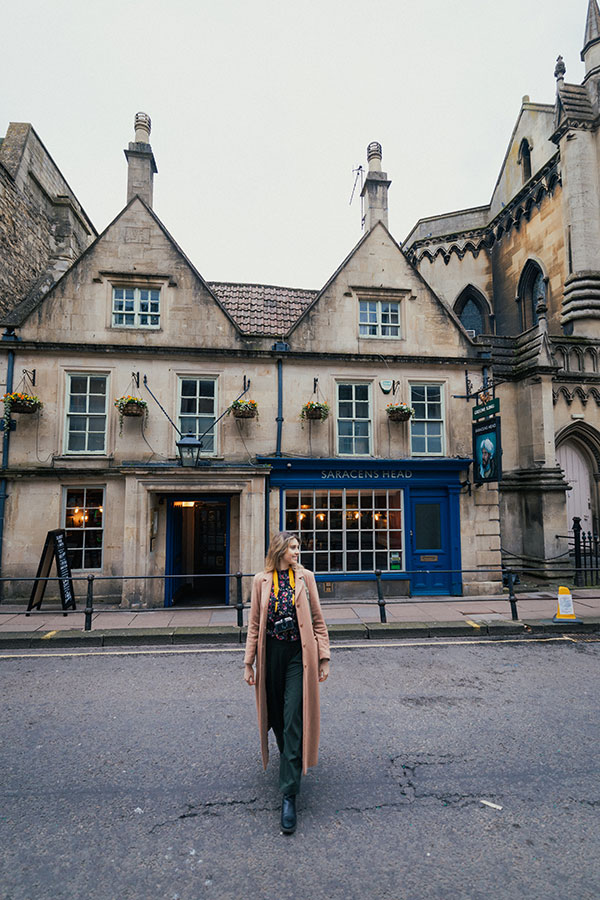
As a travel photographer and digital storyteller behind The Freedom Traveler, I’m constantly searching for destinations that offer more than just beautiful scenery. The best places inspire creativity, encourage exploration, and reveal stories through every street corner. That’s exactly what I discovered during my recent visit to Bath, UK, where I spent three days exploring the historic city on a hosted press tour with Millennial Magazine.
Visiting from March 1–3, 2026, I approached the trip through the lens I use for all my travels: part creator, part observer. Some destinations overwhelm you with spectacle, but Bath unfolds slowly. Its honey-colored Georgian buildings glow softly in the morning light, its independent shops reveal a thriving local culture, and its thermal waters connect modern visitors to thousands of years of history.
For creators, whether photographers, influencers, or storytellers, this city offers something rare: a place where heritage, aesthetics, and modern culture coexist effortlessly.
Below is my creator-focused travel guide to Bath: where to stay, where to eat, what to photograph, and how to experience the city beyond the typical tourist itinerary.
Where History Meets Modern Style
My first impression of Bath was pure elegance.
The city feels like stepping directly into the Georgian era. Rows of golden Bath stone buildings line the streets, each one perfectly preserved. Entryways framed by classical columns repeat along residential streets, creating a sense of symmetry and timeless design that immediately feels cinematic.
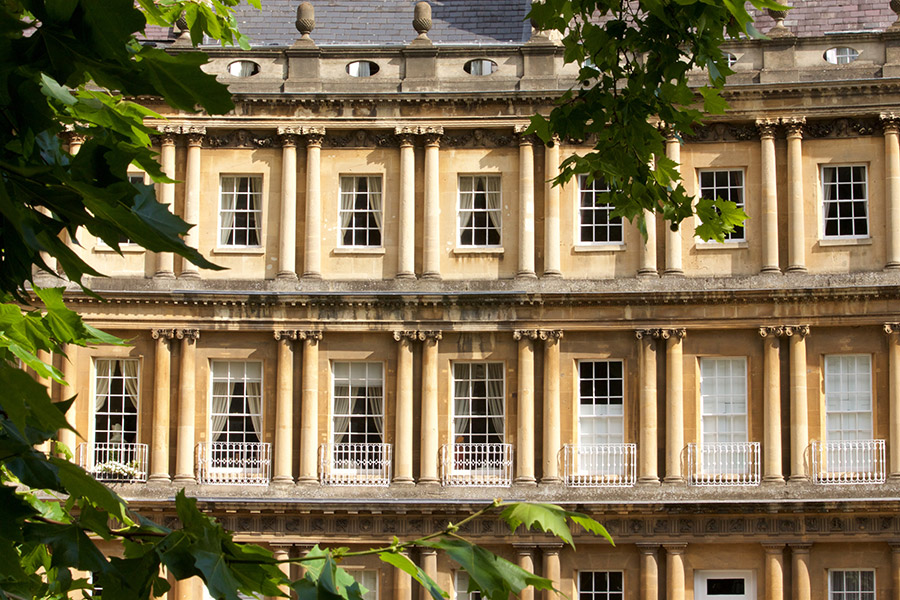
But what fascinated me most was the contrast between the architecture and the people.
The buildings feel frozen in time, yet the locals moving through those streets are unmistakably modern. Stylish, creative, and effortlessly contemporary. It’s this blend of past and present that makes the city so compelling visually.
For travel creators, the entire city feels like a carefully preserved film set. Every corner offers new textures, light, and architectural framing opportunities.
Where I Stayed: Dukes Hotel
For my two-night stay, I checked into Dukes Hotel, a boutique property located in one of Bath’s elegant Georgian terraces just outside the city center.
When I first arrived, the reception desk was momentarily unattended, which created a slightly awkward first impression. But once the receptionist, Juan, appeared, the experience quickly improved. He warmly welcomed us, helped with our luggage, and provided parking instructions before completing the check-in efficiently.

The reception space itself is striking.
A Murano glass pendant light, sourced from London’s Savoy, hangs dramatically above the lobby, giving the room a refined and sophisticated character.
The corridors felt slightly less polished on arrival, with housekeeping equipment briefly visible. But once I opened the door to my room, the atmosphere shifted entirely.
I stayed in the York double room, and my immediate reaction was comfort.

The room is vibrant and colorful, with bold wallpaper, marble bathroom tiles, and charming vintage touches like a retro telephone on the bedside table. At the same time, modern amenities keep everything practical, including an oversized television and a Dyson hair dryer.
The hotel also highlights local partnerships through its in-room amenities. Bramley toiletries, Walkers Biscuits, Mozzo Coffee, and Tregothnan tea all reflect brands connected to the region.
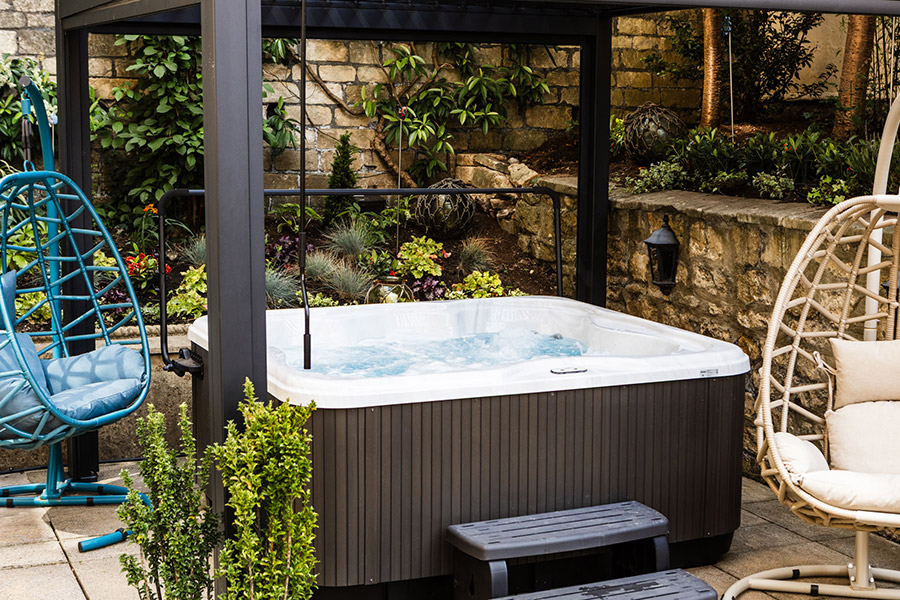
From a creator’s perspective, the hotel offers several photogenic spots. The staircase creates elegant leading lines, the reception area feels dramatic, and the cocktail bar’s colorful design provides a great backdrop for lifestyle content.
Sunday Lunch at Sydney’s Bath
One of my first meals in the city was Sunday lunch at Sydney’s Bath, and it immediately felt like an authentic British experience.
Sunday roast is practically a cultural ritual in the UK, and this restaurant delivers it beautifully.
We were welcomed by Lily, Jaz, and Sara, whose attentive service helped set a warm and relaxed tone for the meal.
The starters were unexpected but delightful.
Each arrived as a cracker topped with thoughtful combinations like creamed goat cheese with gordal olive, smoked sardine with aubergine caviar, and Somerset ham hock paired with fennel and apple pickle.
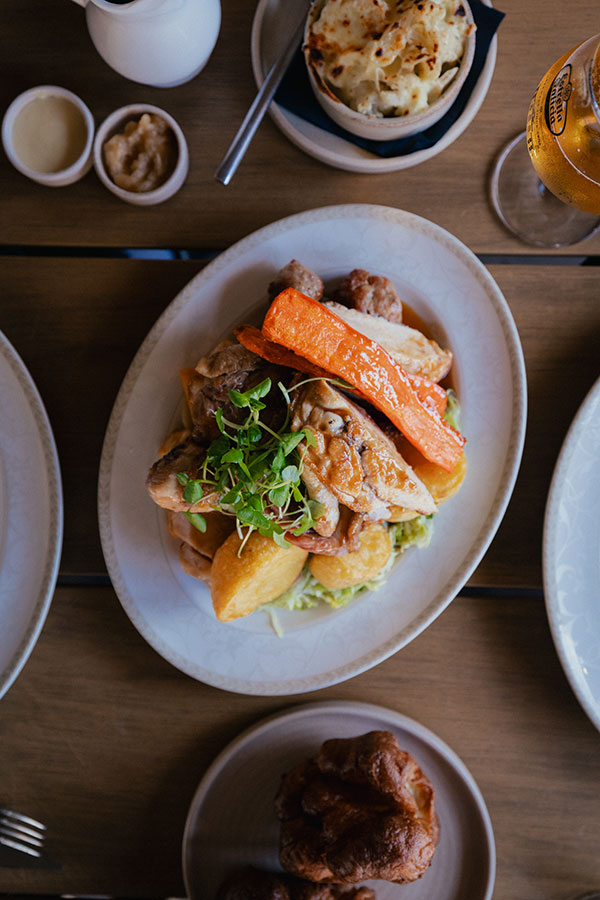
Then came the centerpiece of the meal: the Sunday sharing roast.
The platter arrived overflowing with Herefordshire beef sirloin, Pocock’s farm chicken, and Somerset pork alongside roasted vegetables, cauliflower cheese, and towering homemade Yorkshire puddings.
The portions were generous…very generous.
What made the experience particularly memorable was the sociable nature of the meal. Sharing platters encouraged conversation, and the unlimited gravy added a comforting, family-style element that made the meal feel deeply authentic.
The rooftop terrace adds another layer of charm. Heated and cosy, it allows guests to enjoy fresh air and sunlight even during cooler months.
The crowd felt very local rather than tourist-heavy. Mostly groups of friends and couples catching up over long Sunday lunches.
Discovering Local Brands at Shires Yard
One of the things I loved most while exploring Bath was the strong presence of independent shops.
Unlike many cities where international chains dominate, Bath feels refreshingly local.
One standout stop was the Bramley store at Shires Yard. The Bath-born skincare brand focuses on natural ingredients and ethical production, making it both a meaningful souvenir and a beautiful representation of local entrepreneurship.
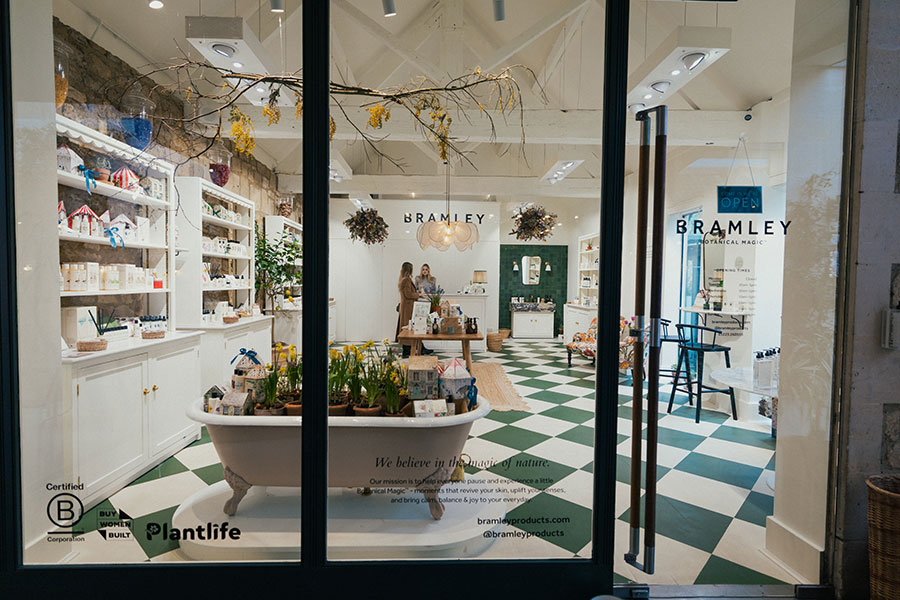
Inside the shop, a bathtub filled with products sits near the entrance, a playful visual nod to Bath’s famous spa heritage.
I tried their hand cream, which I recognized immediately because it was also provided in my hotel room. Made with lavender, geranium, and petitgrain essential oils, it has a calming botanical fragrance that feels both soothing and distinctly natural.
The store also carries jewelry made from volcanic stone beads designed to absorb essential oils. A drop of fragrance can be added to the stones, allowing the scent to diffuse gradually throughout the day.
For visitors seeking authentic products rooted in the destination, Bramley feels deeply connected to Bath, UK.
Exploring Bath on Foot
One of the best ways to experience Bath, UK is simply by walking.
The city center is compact and extremely walkable, with gentle hills and pedestrian-friendly streets that make exploration easy.

Tourists naturally gravitate toward the major landmarks, Pulteney Bridge and Bath Abbey, but stepping into quieter streets like Crescent Lane reveals a more local side of the city.
Walking also exposes the true character of Bath’s retail scene.
Instead of familiar chains like Pret or Costa Coffee, the city is filled with carefully curated independent businesses. Butchers offer premium cuts, liquor shops sell rare spirits, and bakeries create small-batch pastries.

One of my favorite discoveries was grabbing a cookie from The Bath Bakervée.
Sometimes the simplest moments (like enjoying a warm cookie on a quiet street) become the most memorable part of a trip.
Iconic Landmarks That Define Bath, UK
Bath’s identity is shaped by a series of iconic landmarks that have remained remarkably preserved.
The Roman Baths are perhaps the most famous.
Dating back nearly two thousand years, the complex is one of Britain’s best-preserved Roman sites. Walking through the ruins, I was struck by how detailed the restoration and interpretation are. The guided experience allows visitors to truly understand how the baths functioned in Roman society.

For creators, the best photo angle appears immediately upon arrival. From the upper terrace, you can capture the steaming baths with Bath Abbey rising dramatically behind them.
Bath Abbey itself deserves time to explore.
Inside, sunlight filters through stained glass windows, illuminating the intricate stone architecture. Outside, my favorite perspective was using nearby arches to frame the Abbey in photographs.
Then there’s the Royal Crescent.
This sweeping curve of Georgian townhouses has become globally recognizable, especially after appearing in the Netflix series Bridgerton. Visiting early in the morning provides the best lighting and the fewest crowds.
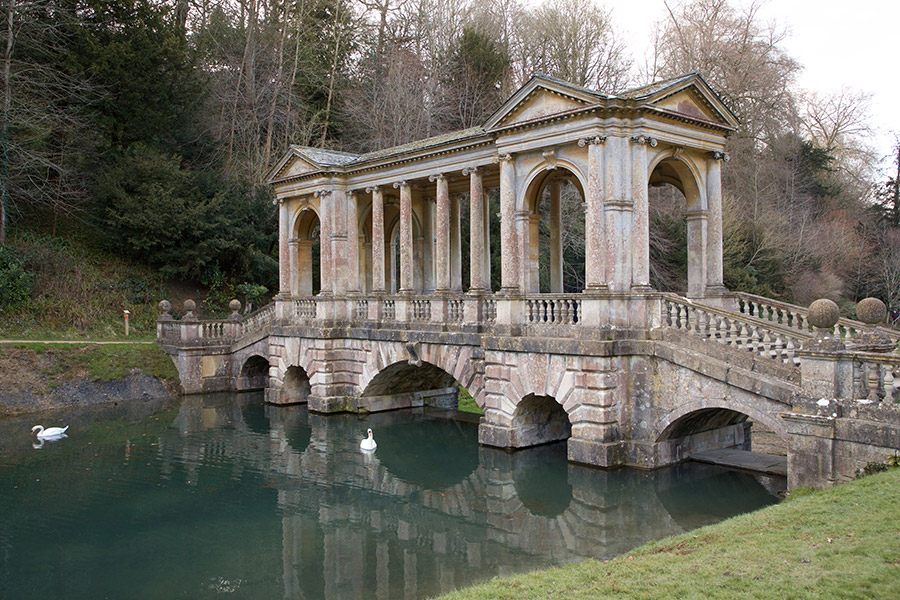
Another location I highly recommend is Prior Park.
The Palladian Bridge offers one of the most breathtaking views over the entire city, especially in the afternoon when the golden light illuminates the landscape.
Together, these landmarks explain why Bath, UK feels so visually cohesive and historically intact.
Dinner at Plate Restaurant
For dinner, I made my way over to Plate Restaurant inside The Bird Hotel, conveniently located just a short walk from Dukes Hotel.
The restaurant’s interior immediately caught my attention.
The décor is playful and colorful, featuring unusual design details like pasta colanders used as lampshades and rolling chairs at the tables.

The menu blends European and Asian influences, resulting in bold and creative flavor combinations.
One of the most memorable dishes was the white crab sourdough crumpet with celeriac remoulade and dill. It may not look visually dramatic, but the flavors were exceptional.
Another highlight was dessert.
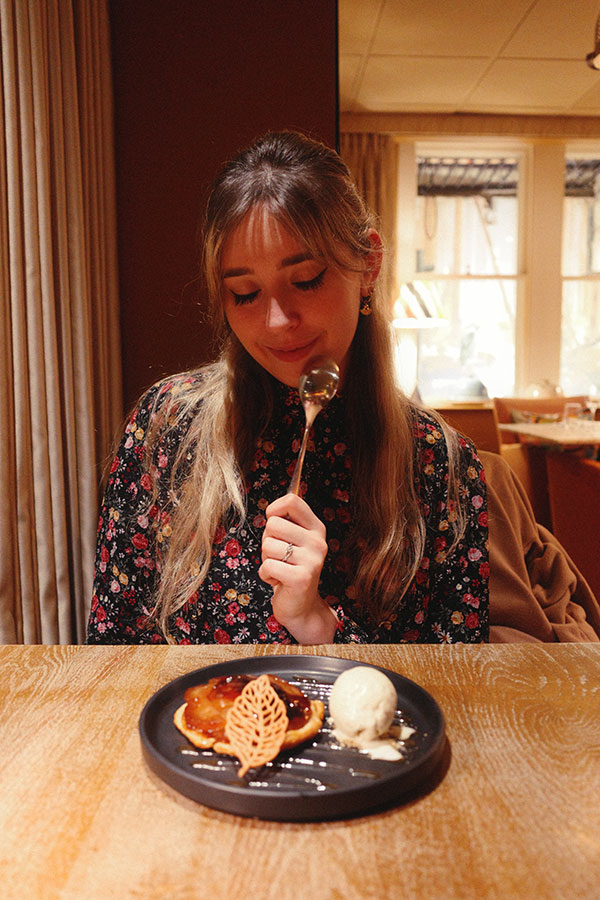
The miso apple tarte tatin served with black pepper ice cream delivered a surprisingly balanced combination of sweetness and spice.
Service started slowly—the first dishes arrived nearly 50 minutes after ordering—but our server Samuel was friendly and offered helpful recommendations throughout the evening.
A Sunrise Visit to Thermae Bath Spa
My final morning began early at Thermae Bath Spa, the only place in Britain where visitors can bathe in naturally warm thermal waters.
Arriving at 8:00 a.m. meant the spa was calm and nearly empty.

The rooftop pool was the highlight of the experience. From the water, you can see Bath Abbey rising above the surrounding rooftops while steam drifts gently into the morning air.
The sensory experience is unforgettable.
The water is naturally warm, the city is quiet, and the only sounds are the Abbey’s clock tower and seagulls echoing overhead.
Phones are not allowed in the spa, which means creators cannot capture photos, but that limitation becomes part of the experience.
Sometimes the most meaningful travel moments exist beyond the camera.
Creator Photo Spots in Bath
For travel creators, Bath offers endless photographic opportunities. Some of my favorite content locations included:
- Royal Crescent at sunrise for soft golden light
- Roman Baths upper terrace with Bath Abbey in the background
- Pulteney Bridge for classic architectural symmetry
- Prior Park viewpoint overlooking the entire city
- Crescent Lane for quiet Georgian streets without crowds
Early morning is by far the best time to photograph the city.
Getting to Bath from London
Bath is located about 115 miles west of London and is easily accessible.
Visitors can reach the city in roughly 90 minutes by train from London Paddington, or by car via the M4 motorway. The drive offers beautiful countryside views as you move west toward Somerset.
On my journey from London, the weather began rainy and grey but gradually transformed into sunshine as we approached Bath, a fitting welcome to the city.
Why Bath is a Must Visit for Creators
As a travel creator, I’m always searching for places that feel visually inspiring but also culturally authentic.
The city of Bath offers both.
Its preserved Georgian architecture creates an extraordinary visual backdrop, but it’s the details, the independent shops, local brands, and calm rhythm of daily life, that make the city memorable.
For creators building stories through imagery and experience, Bath provides a rare balance between timeless beauty and modern culture.
And that balance is what makes the city so special.
FAQs About Visiting Bath
Where is Bath located?
Bath is located in Somerset in southwest England, about 115 miles west of London.
What is Bath famous for?
The city is known for its Roman Baths, Georgian architecture, and natural thermal springs.
How many days should you spend in Bath?
Two to three days is ideal to explore the city’s historic landmarks, enjoy the Thermae Bath Spa, and discover local shops and restaurants.
Is Bath good for content creators?
Yes. The city’s architecture, historic landmarks, and scenic viewpoints provide excellent opportunities for photography and storytelling.
When is the best time to visit Bath?
Early mornings offer the best lighting and fewer crowds, making them ideal for exploring and capturing photos of the city.
