

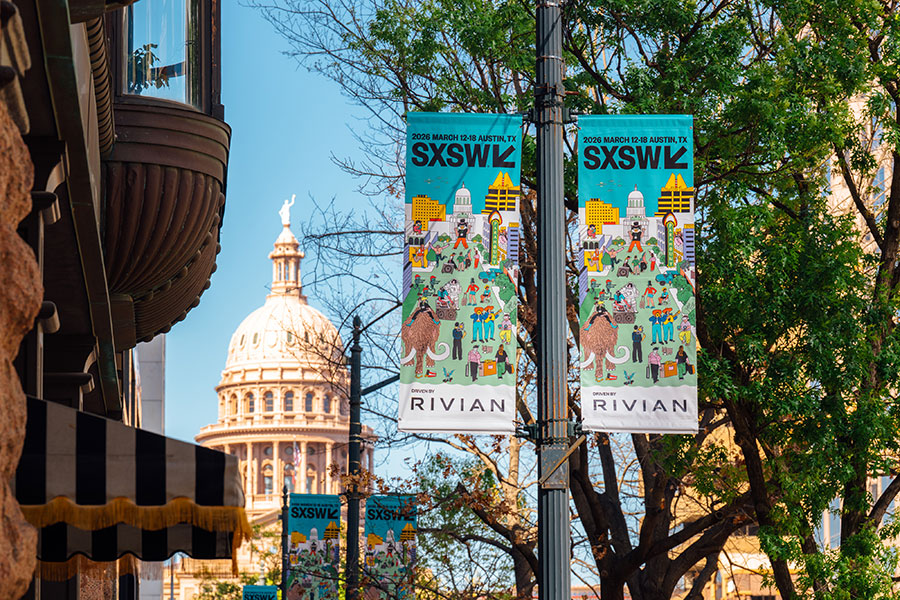
The energy at SXSW this year felt markedly different. It was less speculative, and more decisive. Conversations weren’t centered on what might happen in digital culture, but what is already reshaping it in real time.
At the heart of it all was the creator economy, evolving rapidly under the weight (and opportunity) of artificial intelligence, platform shifts, and changing audience expectations. SXSW 2026 made one thing abundantly clear: influence is no longer about scale alone. It’s about credibility, community, and lived experience.
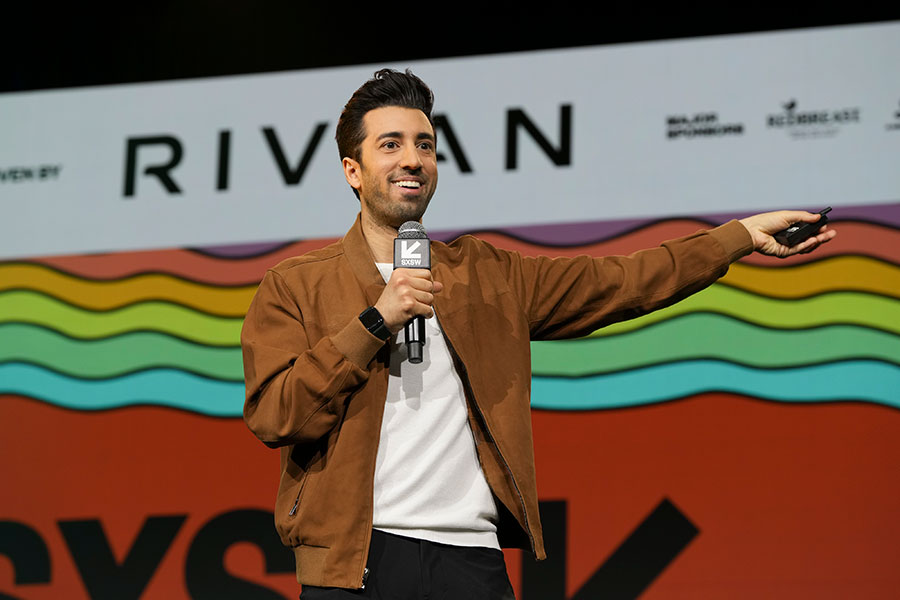
Speaking with Ben Jeffries, co-founder and CEO of marketing agency, Influencer, provided a grounded lens into these transformations. His perspective echoed a sentiment heard across panels and private conversations alike: “We’re entering a phase where trust is the most valuable currency in media,” he explained. “And creators who have built genuine relationships with their audiences are going to outperform everything else.”
The AI Content Flood and the Premium on Humanity
There is no avoiding it: AI-generated content is proliferating at a pace that outstrips anything the digital ecosystem has seen before. From automated video editing to generative captions and synthetic influencers, the barriers to content production have effectively dissolved. But rather than signaling a creative apocalypse, this surge is recalibrating what audiences value most.
Throughout SXSW 2026, one counterintuitive idea kept surfacing: the more content exists, the more audiences gravitate toward what feels undeniably human.
Jeffries articulated this shift succinctly: “AI is going to dramatically increase the supply of content, but it doesn’t replicate lived experience. It doesn’t replicate taste. And those are the things audiences are starting to prioritize.”
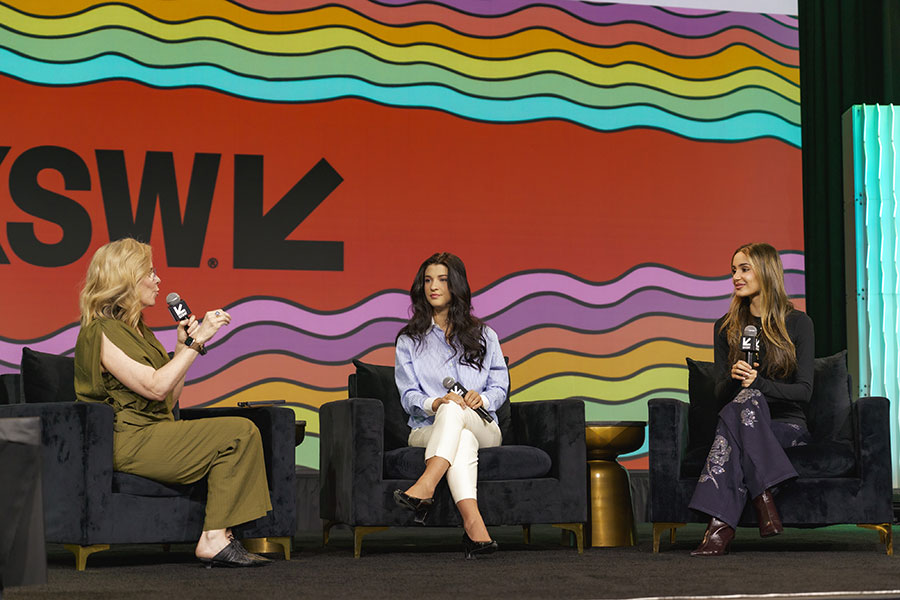
This dynamic introduces a new kind of scarcity, not of content, but of authenticity. Creators who share nuanced perspectives, personal stories, and unfiltered opinions are becoming cultural anchors in an increasingly synthetic landscape. In many ways, they are emerging as the new editorial authorities, replacing traditional gatekeepers with something more intimate and immediate.
The implication for brands is profound. Partnerships can no longer rely on polished, high-frequency output alone. Instead, brands must align with creators whose voices resonate as credible and distinct. In this environment, trust is not a byproduct; it is the product.
The Emergence of “Human-Made” as a Discovery Filter
As AI content becomes ubiquitous, platforms are quietly grappling with a new challenge: how to preserve trust in discovery. Several conversations at SXSW 2026 hinted at a provocative yet increasingly plausible solution: a “human-made” content filter.
While still speculative, the concept reflects a broader industry concern. If users cannot distinguish between human and AI-generated content, the reliability of feeds, and by extension, the platforms themselves, begins to erode.
Jeffries framed this as an inevitable evolution: “Platforms are built on trust. If users feel like everything they’re seeing is synthetic, that trust starts to break down. So there will need to be signals (whether explicit or implicit) that help people identify what’s real.”
Such a feature would not necessarily devalue AI content, which continues to improve in quality and utility. Instead, it would introduce a new layer of transparency, allowing users to navigate content ecosystems with greater confidence.
For creators, this presents both a challenge and an opportunity. Those who lean into their humanity, such as their imperfections, opinions, and unique sensibilities, will stand out more clearly than ever. The future feed may not just be algorithmically curated; it may be ethically filtered.
From Audiences to Communities: Marketing’s Structural Shift
Perhaps the most significant paradigm shift discussed at SXSW 2026 was the redefinition of what it means to “reach” people. The language of audiences, long the cornerstone of advertising, feels increasingly outdated.
“An audience is something you talk at,” Jeffries noted. “A community is something you’re part of. And that distinction is everything moving forward.”
This shift is more than semantic. It reflects a deeper change in how people engage with content and brands. Communities are participatory, not passive. They are built on shared values, inside jokes, and ongoing dialogue. And crucially, they are often centered around creators, not corporations.
But what became even more apparent in our conversations is that brands are no longer satisfied with creators as mere amplifiers. They want them embedded in the creative process itself.
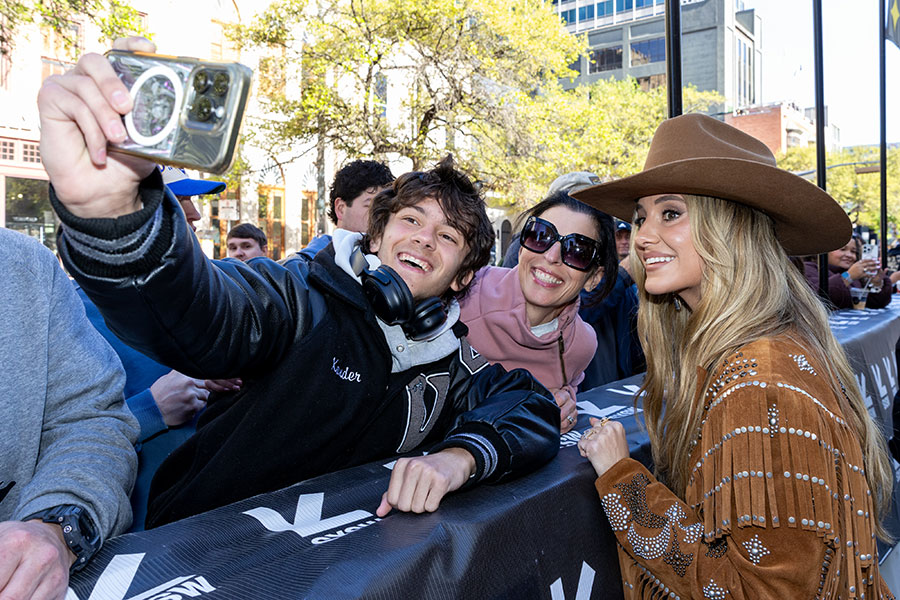
Jeffries explained this evolution candidly: “We’re also seeing a lot of brands wanting to make sure that creators are not just involved in promotion, so to speak, but creators are actually in the room with them when they’re discussing ideas. They also want to be seeing how creators can be involved in customer experiences, in IRL experiences as well.”
This signals a profound reorientation of influence. Creators are no longer the final layer of a campaign. They are becoming co-architects of brand storytelling. Their proximity to culture, community, and consumer behavior makes them invaluable not just in distribution, but in ideation.
Jeffries expanded on this shift, noting that brands increasingly see creators “beyond just people who are promoting their products” to becoming central assets in building the overall customer experience journey.
This evolution demands a new kind of strategic humility. Brands must listen before they speak, observe before they act, and collaborate rather than control. In doing so, they can transition from being outsiders seeking attention to insiders contributing value, alongside the creators who already hold that trust. The brand-influencer relationship will be built on “depth” rather than “reach.”
Creator Video as the New Search Engine
Another defining trend emerging from SXSW 2026 is the transformation of search itself. Increasingly, discovery is being mediated not by traditional search engines, but by creator-led video content.
Whether planning a trip, researching a product, or exploring a new restaurant, users are turning to platforms where creators provide contextual, visually rich insights. In many cases, these videos appear directly within search results, effectively becoming the first point of contact between user and subject.
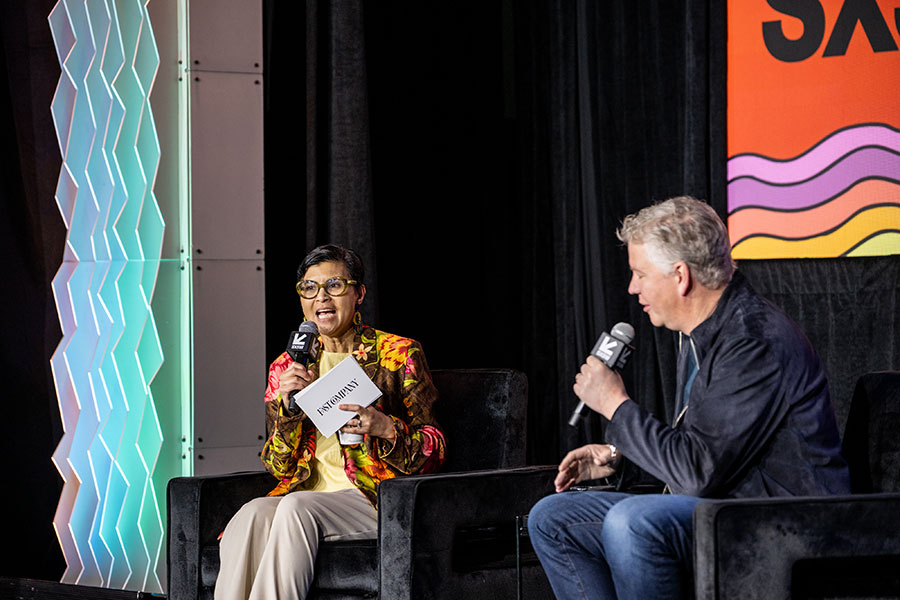
Jeffries emphasized the significance of this shift: “Creator content is becoming the front door to discovery. It’s not just entertainment anymore. It’s utility.”
This has far-reaching implications for both creators and brands. For creators, it positions their content as not just influential, but informational. They are no longer simply shaping opinions. They are shaping decisions.
For brands, it underscores the importance of being discoverable within this new paradigm. Traditional SEO strategies must now account for video content, creator partnerships, and platform-specific algorithms. Visibility is no longer about ranking on a page, but about appearing in a feed, and in a voice that audiences trust.
Digital Saturation and the Return to Real Life
If the digital world is expanding infinitely, the human response appears to be a renewed craving for tangible experiences. One of the most compelling undercurrents was the emphasis on real-life connection.
From immersive brand activations to creator-led meetups, the appetite for IRL experiences is growing in direct proportion to digital fatigue. This is not a rejection of technology, but a recalibration. A desire to balance screen-based interaction with physical presence.
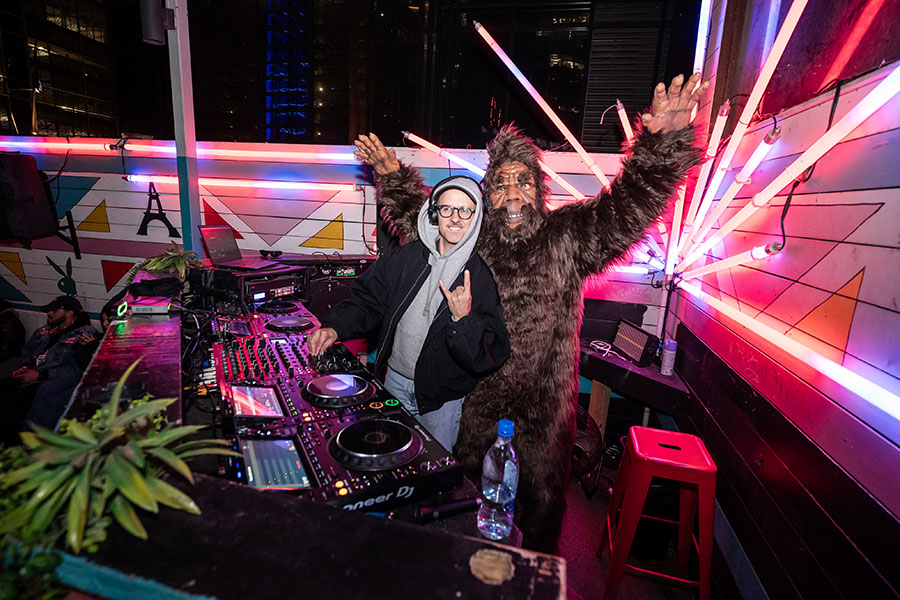
“Creators are uniquely positioned to bridge that gap,” Jeffries observed. “They bring people together online, and then they have the ability to translate that into real-world moments.”
This hybrid model — where digital influence leads to physical engagement — is redefining the scope of the creator-led marketing. Events, travel experiences, and pop-ups are no longer peripheral. They are instead, central to how communities form and evolve.
For brands, this represents an opportunity to create deeper, more memorable interactions. A well-executed event, amplified by the right creators, can generate both immediate engagement and long-term loyalty.
The Road Ahead for the Creator Economy
What emerges from SXSW 2026 is not a single trend, but a constellation of shifts that collectively redefine influence. AI will continue to reshape production, but it will also elevate the value of human perspective. Platforms will evolve to preserve trust, even as content becomes more abundant. And creators will move from the periphery of marketing strategies to their very core.
Jeffries captured this moment with characteristic clarity: “The creators who win in this next phase are the ones who understand that their value isn’t just in what they make, but in the relationships they’ve built.”
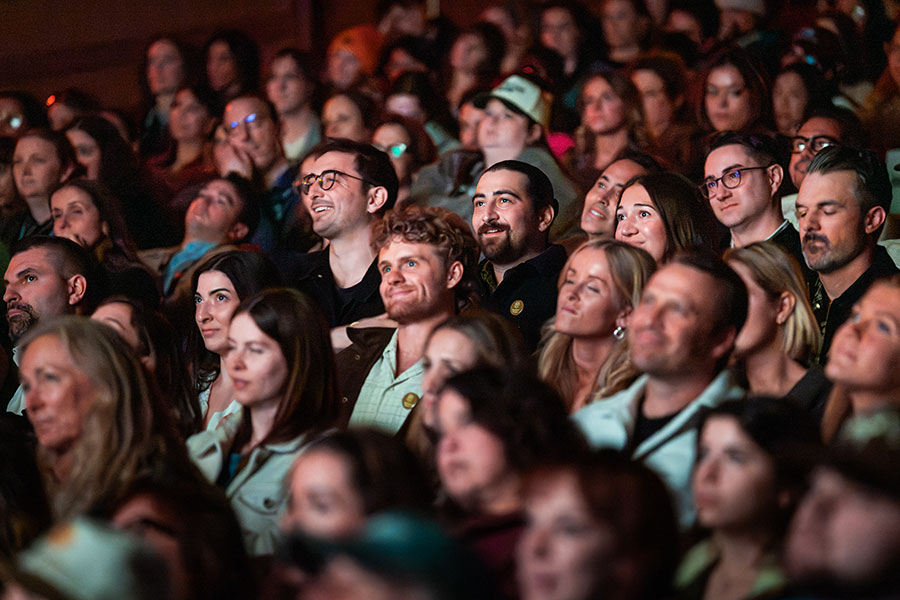
That insight feels less like a prediction and more like a directive. In a landscape saturated with content, relationships are the ultimate differentiator. They are what transform viewers into participants, followers into communities, and influence into impact.
As the creator-led marketing continues to mature, one thing is certain: the future belongs to those who can balance scale with sincerity, innovation with integrity, and technology with unmistakable humanity. SXSW didn’t just spotlight these changes, it affirmed that they are already underway.
FAQ: SXSW 2026 Creator Economy Trends
What were the biggest creator economy trends at SXSW?
Key trends included the rise of AI-generated content, increased value of human authenticity, the shift from audiences to communities, creator-led search discovery, and the growth of real-world experiences.
Why is human-made content becoming more valuable?
As AI increases content volume, audiences are prioritizing trust, authenticity, and lived experience. Qualities that human creators uniquely provide.
How are creators influencing search and discovery?
Creator videos are increasingly appearing in search results, especially in lifestyle categories, making them a primary source of information and decision-making.
What does the shift from audiences to communities mean for brands?
Brands must move from broadcasting messages to participating in creator-led communities, focusing on engagement, authenticity, and co-creation.
How are real-life experiences shaping the future of influencer marketing?
Creators are bridging digital and physical worlds through events, meetups, and activations, responding to growing demand for offline connection.