

Creators are exhausted right now.
Not just physically exhausted from endless content cycles or algorithm changes, but emotionally exhausted from the pressure to remain permanently visible, perpetually relevant, endlessly optimized. The modern creator economy rewards speed almost everywhere: faster growth, faster reactions, faster reinvention. Even rest has somehow become performative.
Lately, audiences seem exhausted too.
You can feel the shift happening across culture. People are gravitating toward slower experiences, quieter luxury, more intentional storytelling. Perfection no longer resonates the way it once did. Rootedness does.
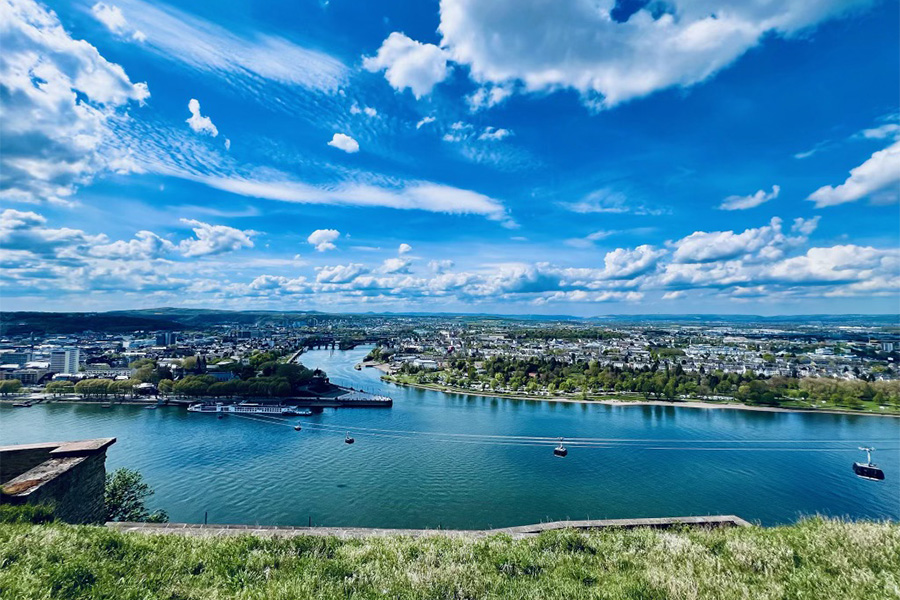
That tension sat quietly in the back of my mind when Millennial Magazine was invited by the German National Tourist Board on a four-day press tour through the Ahr Valley, Bad Neuenahr Ahrweiler, and the Middle Rhine wine region surrounding Koblenz Germany. On paper, the itinerary looked like the kind of European escape social media was practically built for: vineyard tastings, river cruises through the Rhine Valley, luxury spa hotels, endless pours of German Riesling wines, and candlelit dinners tucked inside centuries-old wine cellars.
Yet somewhere between the flood-scarred streets of Bad Neuenahr-Ahrweiler and the softly glowing wine bars of Koblenz Germany, the trip evolved into something far more relevant to the current creator economy. What stayed with me most wasn’t the scenery, though it was stunning, or even the wine, though it was exceptional. It was the emotional pacing of the region itself.
For the wider 2026 framework on considered travel across boutique stays, cultural cities, and slow-travel practice, see the ultimate guide to 2026’s most lavish luxury travel destinations, the magazine’s living atlas of considered places.
Related reading: why founder burnout is a system problem, not a willpower problem.
Rootedness Over Reinvention
Walking through these communities in western Germany, many of which are still visibly rebuilding after the devastating 2021 floods, I began noticing a completely different relationship with ambition.
The people here were not hiding their recovery.
Construction zones sat beside beautifully restored storefronts. Churches still bearing flood damage stood only blocks away from newly reopened boutiques and bustling cafés. Street musicians played outside bakeries while guided tours drifted through cobblestone streets carrying stories not just of devastation, but endurance.
In a culture obsessed with polished outcomes, there was something strangely powerful about witnessing communities willing to exist publicly in the middle of rebuilding.
Creators rarely allow themselves that kind of visibility anymore.
Most personal brands are built around controlled perception. Growth gets documented. Success gets amplified. But the slower, less glamorous parts of building something meaningful, recovery, recalibration, creative fatigue, rarely make it into the final edit.
The towns throughout the Ahr Valley seemed to understand something many creators are only beginning to realize: audiences trust honesty far more deeply than perfection.
That shift is reshaping the creator economy in real time.
For years, creators were rewarded for polished aspiration. Perfect routines. Perfect branding. Perfect productivity. But audiences are becoming far more emotionally intelligent about what they consume online. They can sense exhaustion beneath over-curated content now. They can feel when a personal brand has drifted too far from the actual person behind it.
What these communities offered instead was rooted visibility. Not performative vulnerability. Not oversharing repackaged as authenticity. Just an honest relationship with rebuilding.
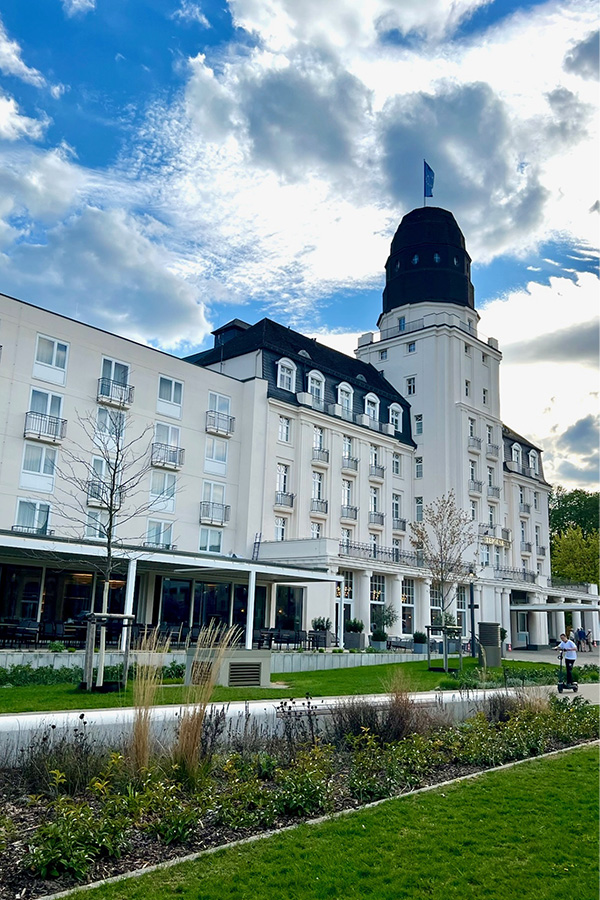
The Emotional Pace of Bad Neuenahr Ahrweiler
Our first stop was Steigenberger Resort and Spa in Bad Neuenahr-Ahrweiler, a spa town still carefully reconstructing parts of itself five years after the flood. The hotel reflected a distinctly German version of luxury: understated, restrained, deeply intentional.
Nothing screamed for attention.
Ironically, that restraint made the experience feel more luxurious.
Walking through Bad Neuenahr Ahrweiler, signs of the devastating flood remained visible. Construction areas stretched between beautifully restored storefronts. Some churches had been fully renewed while others still carried visible scars.
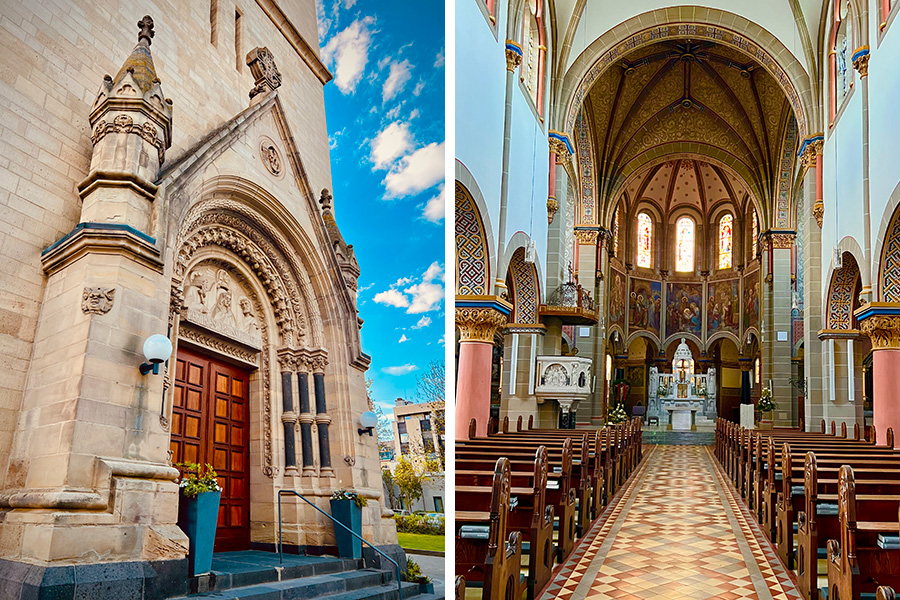
But life was everywhere.
Newly reopened boutiques welcomed tourists back into town. Guided walking tours moved through the cobblestone streets while locals casually moved about their day.
The town was not pretending the flood never happened.
That honesty changed the texture of the trip immediately.
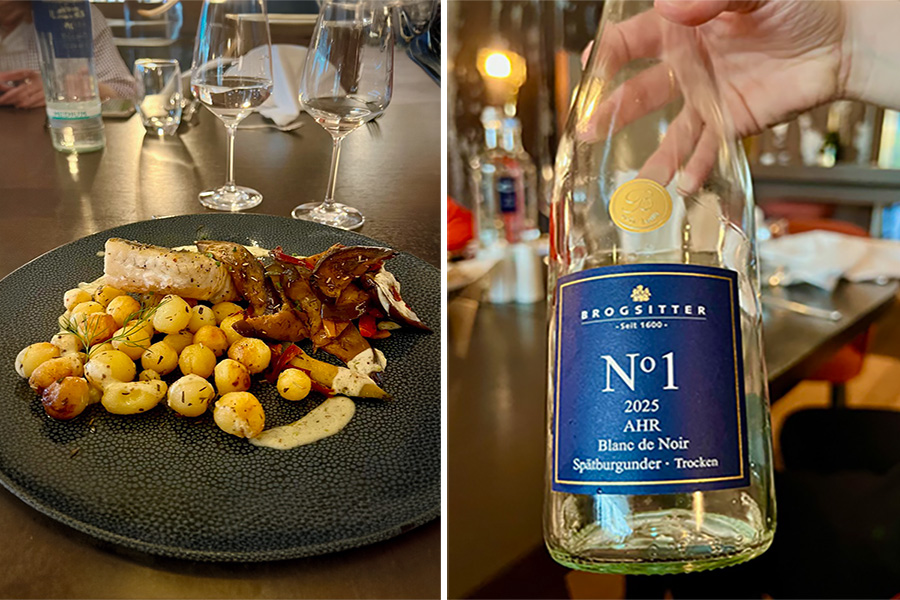
Dinner at Bistro Ora unfolded slowly, the way European dinners should. Over fresh river fish, potatoes, vegetables, and my first Blanc de Noir from Brogsitter, conversation slowed naturally.
Nobody rushed the meal or performed for the table.
As simple as that sounds, it felt increasingly unfamiliar.
So much of creator culture revolves around optimization disguised as lifestyle. Even moments designed for rest often become content opportunities. Restaurants become backdrops. Travel becomes branding. Experiences become proof of success rather than experiences themselves.
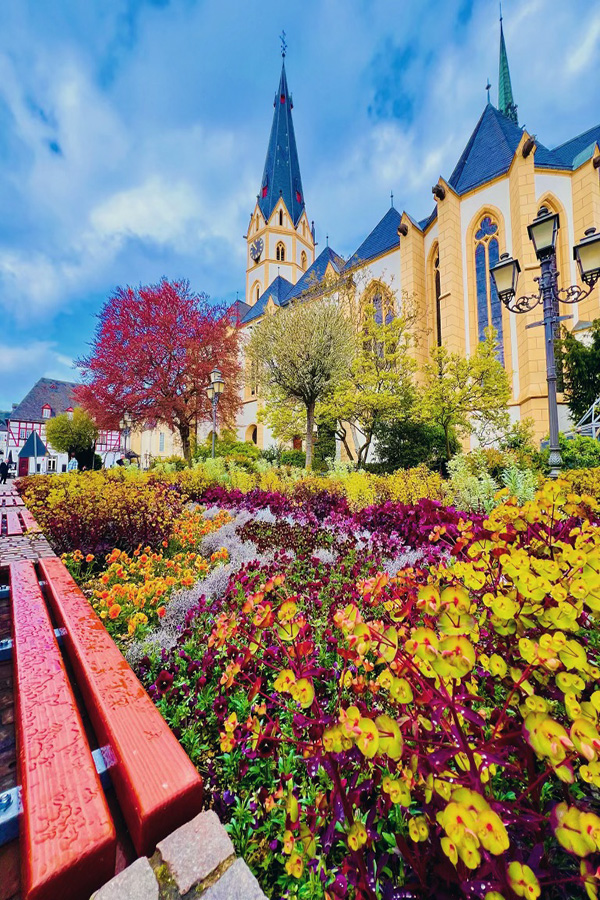
Yet throughout Bad Neuenahr Ahrweiler, I kept noticing how naturally people separated presence from performance.
That distinction feels increasingly rare among creators whose businesses often depend on constant access.
Somewhere along the way, visibility stopped being a tool and became an identity. Many creators now feel pressure to narrate every phase of their lives in real time, even before they fully understand what they are experiencing themselves.
The slower pace of the region challenged that instinct completely.
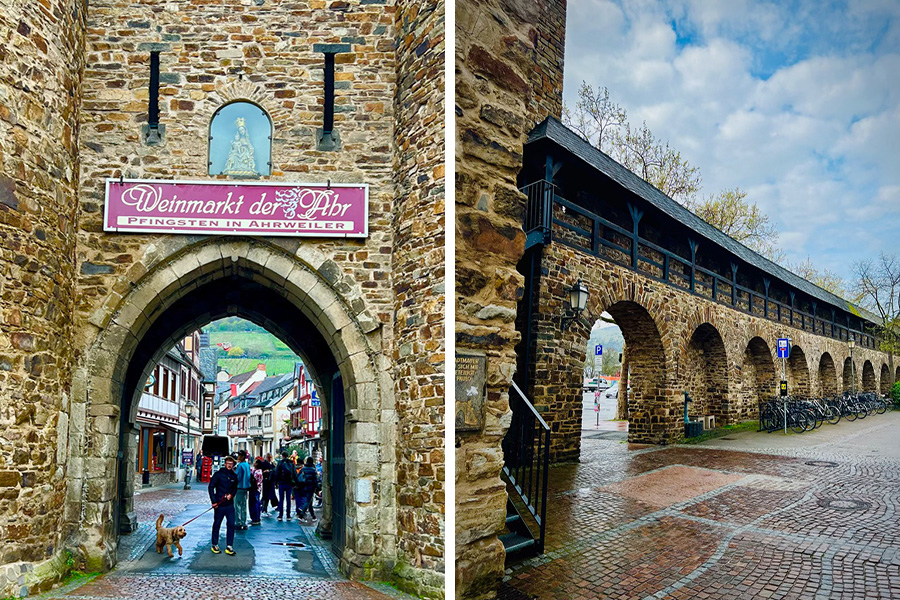
What Ahrweiler Teaches About Sustainable Identity
The following morning, we traveled into Ahrweiler, often referred to as “the town behind the wall,” where half-timbered homes and narrow medieval streets gave the area an almost cinematic quality.
At Weinmarkt der Ahr, the historic wine market square, life unfolded slowly and without spectacle. Flower boxes framed cottage windows. Bakers arranged fresh bread displays onto the sidewalks. Locals lingered outside cafés instead of rushing through them.
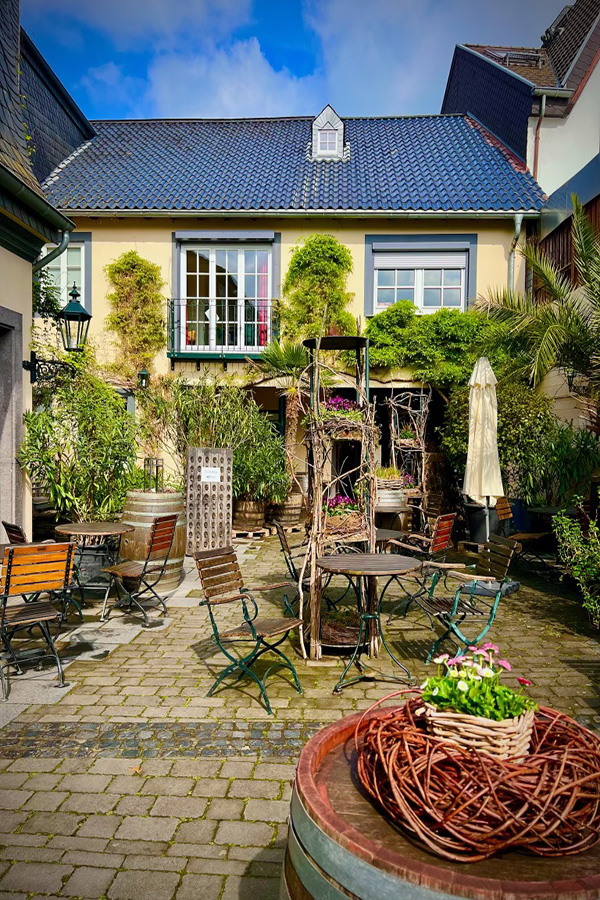
At Körtgen Winzerhof, the tasting felt personal rather than performative. Fourth-generation vintner Christof Körtgen spoke openly about rebuilding after the flood while pouring Weissburgunder blends, Pinot Noir varieties, and elegant Blanc de Noir wines.
At one point, someone asked how the family managed to continue after the devastation.
He simply shrugged.
“You rebuild because the vines don’t stop growing.”
The sentence lingered with me because it applies so directly to the creator economy right now.
Not every season is designed for explosive visibility. Some seasons are rebuilding seasons.
That idea feels especially relevant right now as creators increasingly confront burnout hidden beneath carefully curated success. The pressure to constantly evolve online often leaves very little room for reflection, consistency, or even creative boredom.
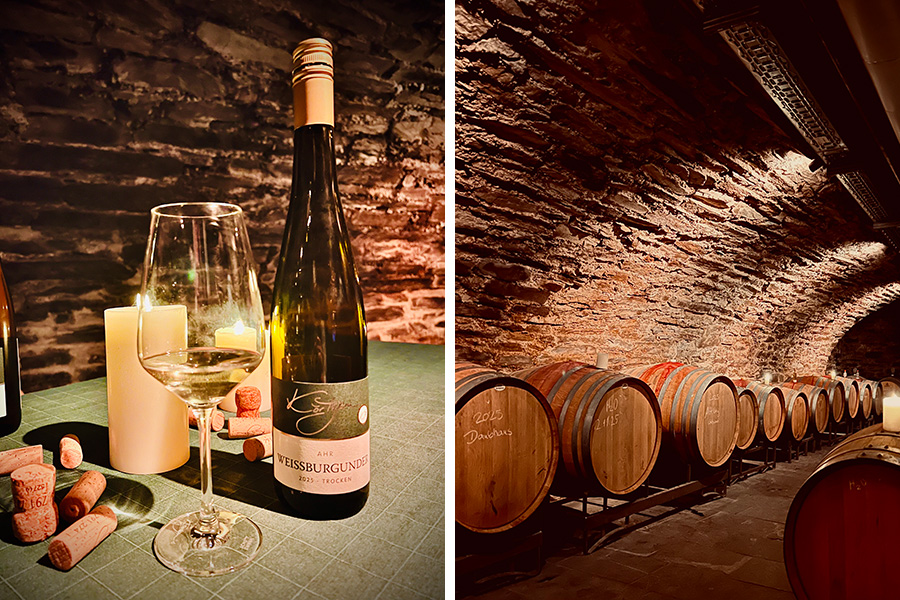
But standing inside a winery still recovering from disaster, listening to a family speak calmly about patience instead of momentum, I started questioning how much modern ambition actually depends on exhaustion.
In creator culture, burnout often gets reframed as dedication. Overextension becomes proof of ambition. Rest becomes something creators feel pressured to earn publicly.
The people throughout Ahrweiler approached work differently. Their focus was not constant reinvention. It was preservation. Longevity. Continuity.
Ironically, those qualities may be exactly what audiences are craving now from the people they follow online.
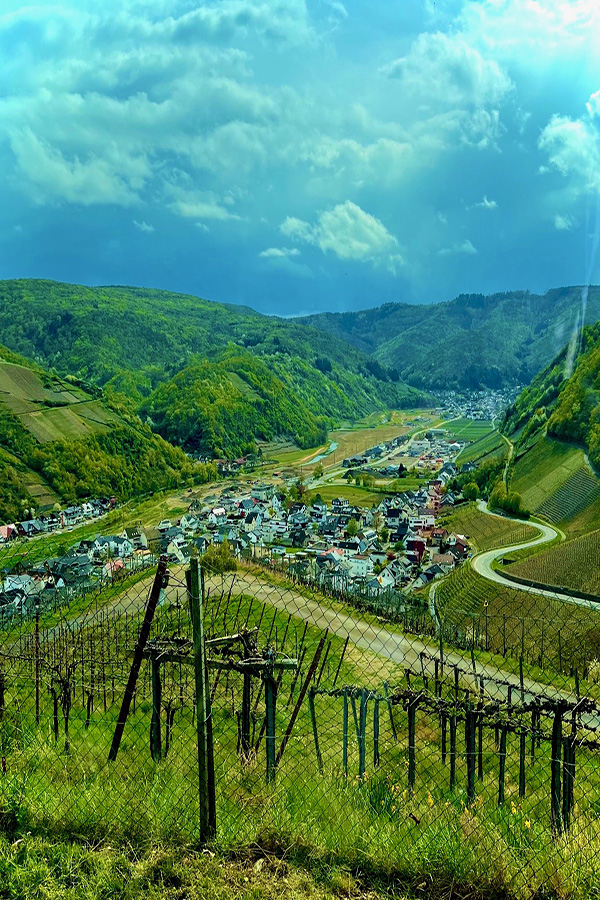
Standing above Dernau later that afternoon at the famed “most beautiful wine view,” designated by the German Wine Institute, I watched passing drivers pull their cars over simply to absorb the valley quietly before continuing on.
Nobody seemed interested in manufacturing urgency.
The vineyards folded dramatically into the valley below while winding roads curved around tiny villages still rebuilding portions of themselves.
Across the German wine regions we explored, beauty never felt sterile or over-curated.
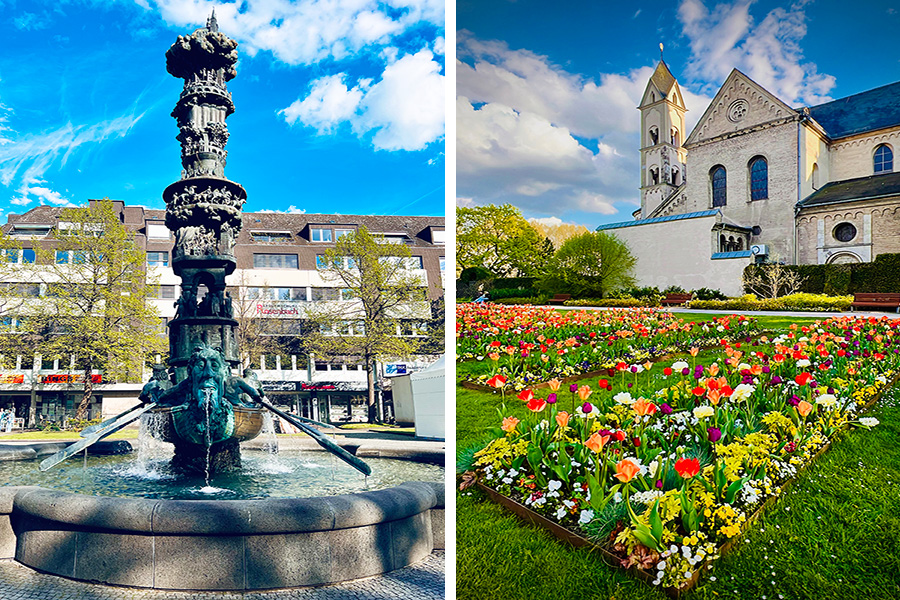
Why Koblenz Germany Resonates With Creators
By the time we reached our next destination, the emotional contrast between modern creator culture and the atmosphere of the region became impossible to ignore.
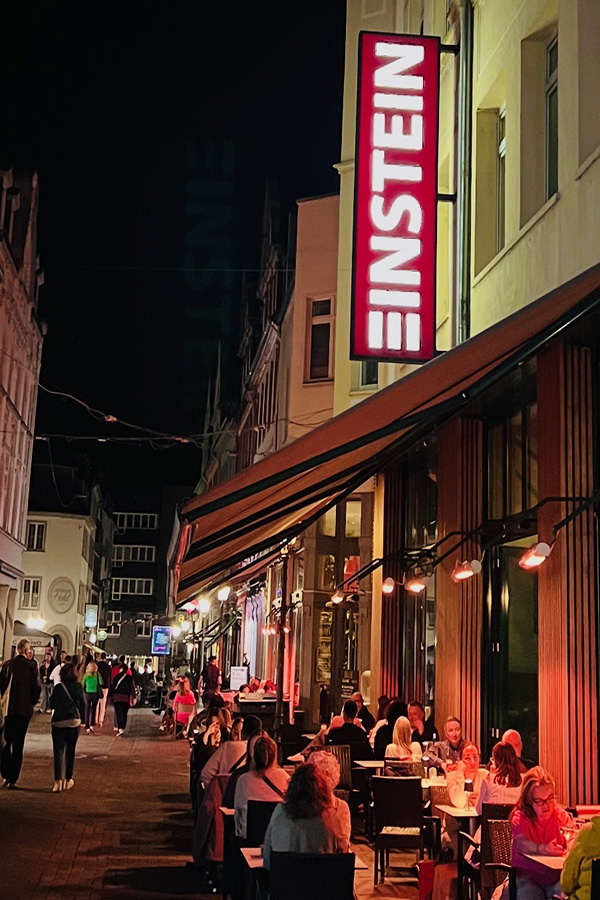
The city carried more movement and nightlife than the quieter villages of the Ahr Valley, yet even here the rebuilding remained visible. Construction crews worked near crowded wine bars. Street musicians played outside cafés while guided tastings of German Riesling wines moved through the busy cobblestone streets.
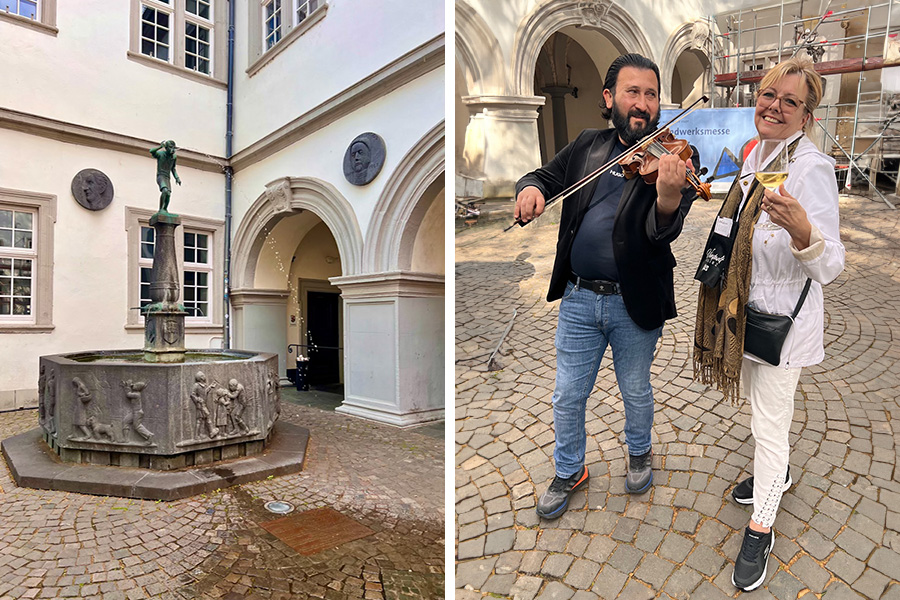
Nothing felt hidden.
That transparency gave the city an emotional credibility that many personal brands spend years unsuccessfully trying to manufacture.
In the creator economy, authenticity has become a marketing term. In the Middle Rhine Wine Region, it still felt like an actual lived experience.
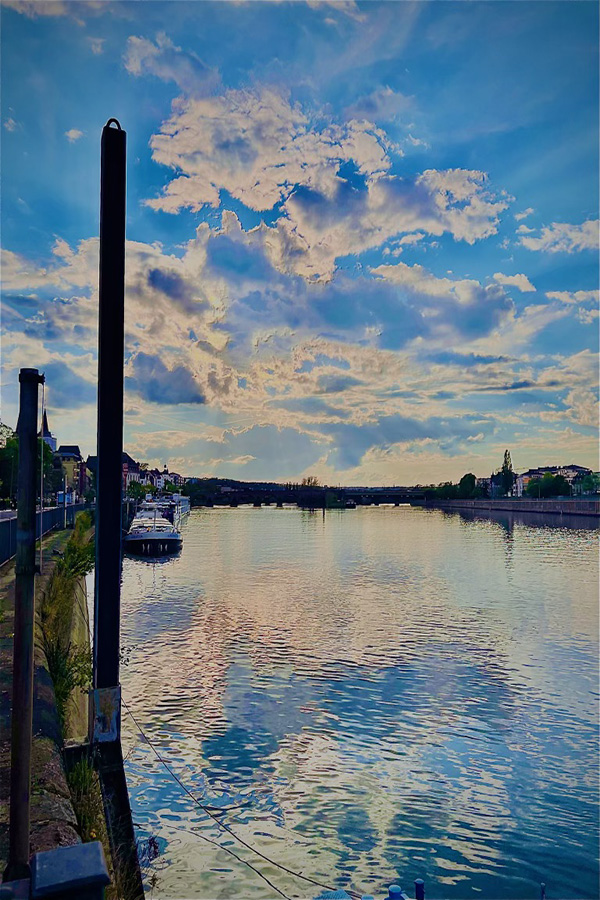
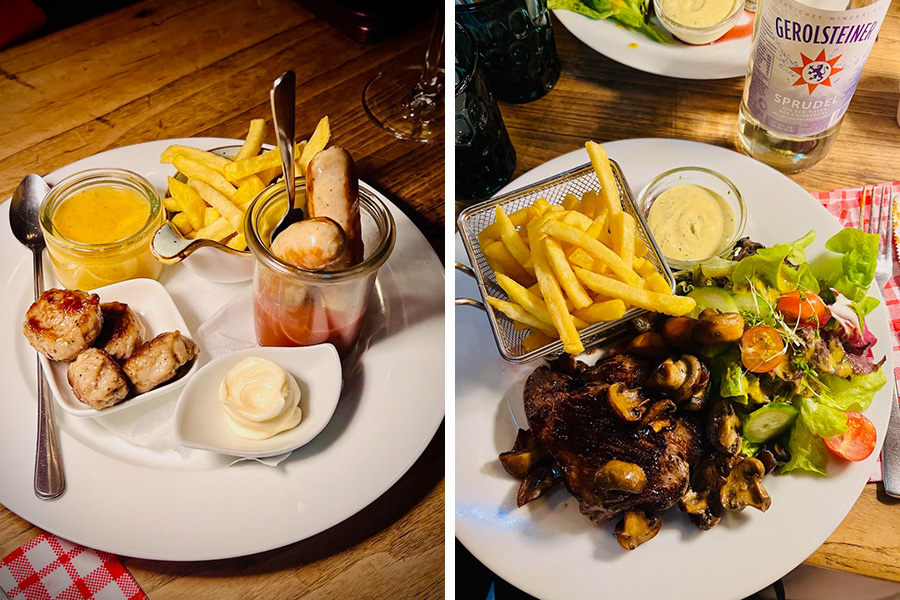
Our walking wine tour through Koblenz Germany quickly became one of the highlights of the journey. Between pours of local Rieslings, guides shared stories about the city’s famous Schängel spirit, a mischievous local symbol that perfectly captures the personality of the city itself: proud, humorous, resilient.
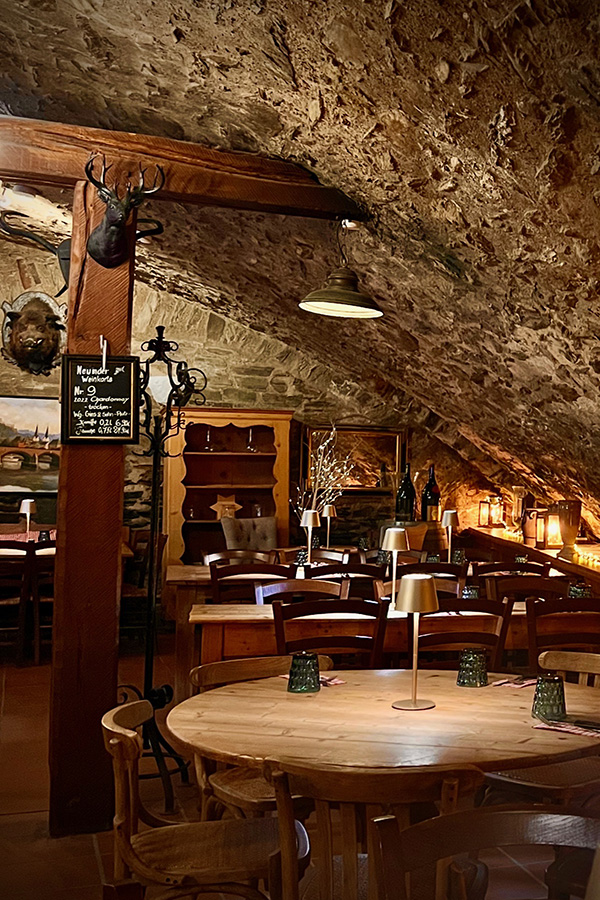
The evening eventually carried us underground to Wirtshaus Alt Coblenz, a traditional Rathskeller where conversation stretched for hours beneath low ceilings and heavy wooden beams.
Somewhere between the second glass of Riesling and dessert, I realized nobody at our table had checked their phone in nearly an hour.
For creators, entrepreneurs, and journalists whose careers often depend on perpetual visibility, that almost qualifies as a luxury category of its own.
Attention has become the primary currency of modern work. But attention without restoration eventually becomes unsustainable.
The most interesting creators emerging right now seem to understand that instinctively. They are building slower. Speaking more intentionally. Protecting their perspective instead of constantly feeding the algorithm.
Increasingly, the creators building sustainable businesses are the ones moving away from endless performance and toward deeper authority. They are creating fewer things with more meaning. Trading constant output for trust. Replacing visibility hacks with actual perspective.
The atmosphere of Koblenz mirrored that shift almost perfectly.
The Creator Economy Is Craving Rootedness
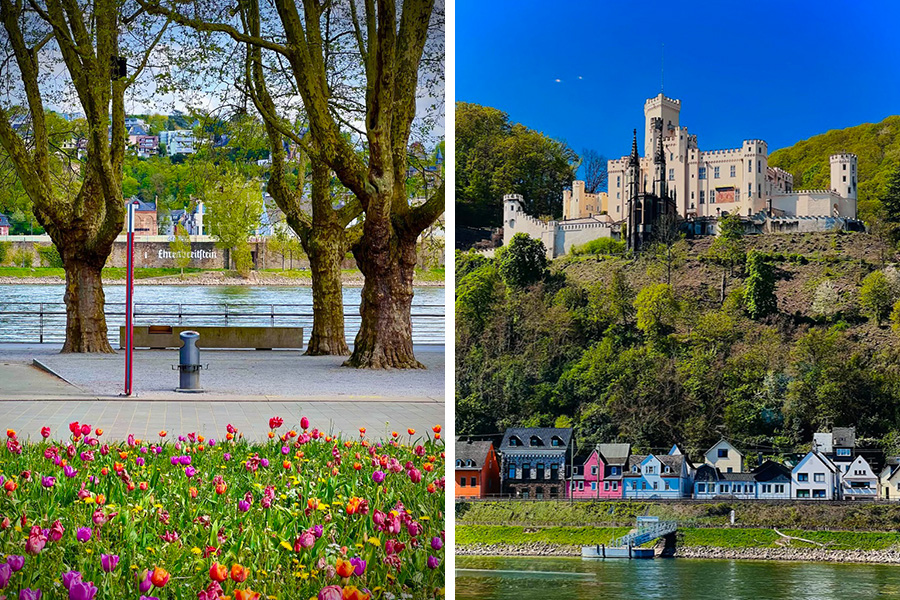
The next morning, a Rhine River cruise offered perhaps the clearest metaphor for the entire experience.
As we sampled German Riesling wines from Weingut Lorenz, Mittelrhein Riesling Charter, and Weingut W. Persch, sunlight bounced across the river directly onto our glasses while castles drifted past in the distance.
The winery owners themselves stood beside us pouring their wines personally.
No exaggerated performance. Just people deeply connected to their craft.
One owner gestured toward the steep vineyard hillsides and quietly explained how the region survived because the people refused to abandon it after the floods. Another spoke about patience, about allowing the river and the seasons to shape the wine rather than forcing control over every outcome.
That word stayed with me throughout the remainder of the trip: patience.
Because patience has become increasingly rare online.
Modern creator culture often rewards immediacy over endurance. Immediate growth. Immediate relevance. Immediate monetization.
Yet the creators building truly sustainable businesses today tend to operate differently. They prioritize trust over visibility. Depth over constant output. Long-term resonance over short-term performance.
The winemakers throughout the Rhine Valley understand this instinctively.
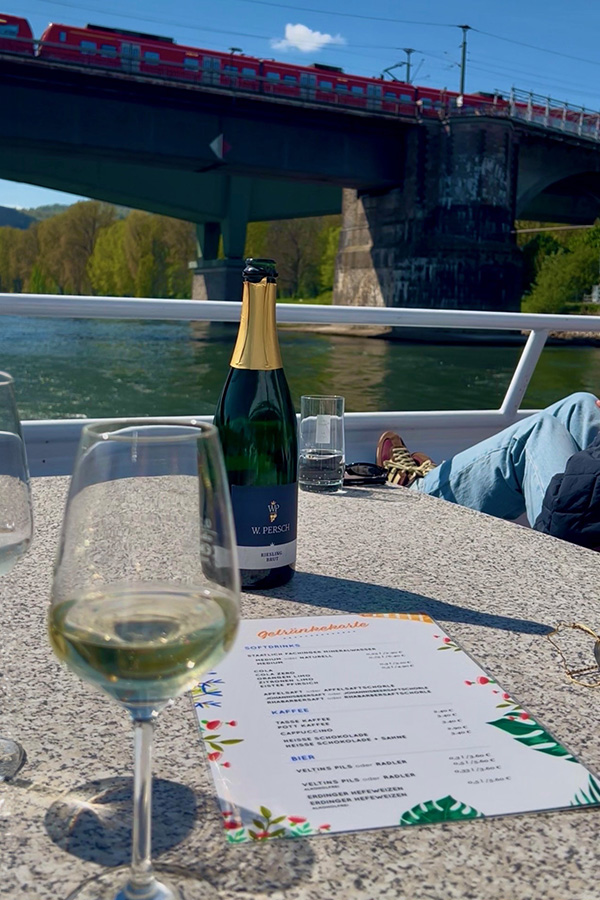
Every conversation during the cruise seemed rooted in the same philosophy: quality compounds slowly. Trust compounds slowly. Identity compounds slowly.
The creator economy rarely celebrates slow growth because slow growth is difficult to package into viral content. Yet nearly every lasting brand, whether a winery, a publication, or a creator-led business, is ultimately built through consistency rather than speed.
They are not building for virality. They are building for longevity.
That distinction quietly reshapes everything, from the pace of the work to the emotional relationship people have with their audience.
Rootedness, after all, cannot be rushed.
Luxury, Craftsmanship, and the Return of Process
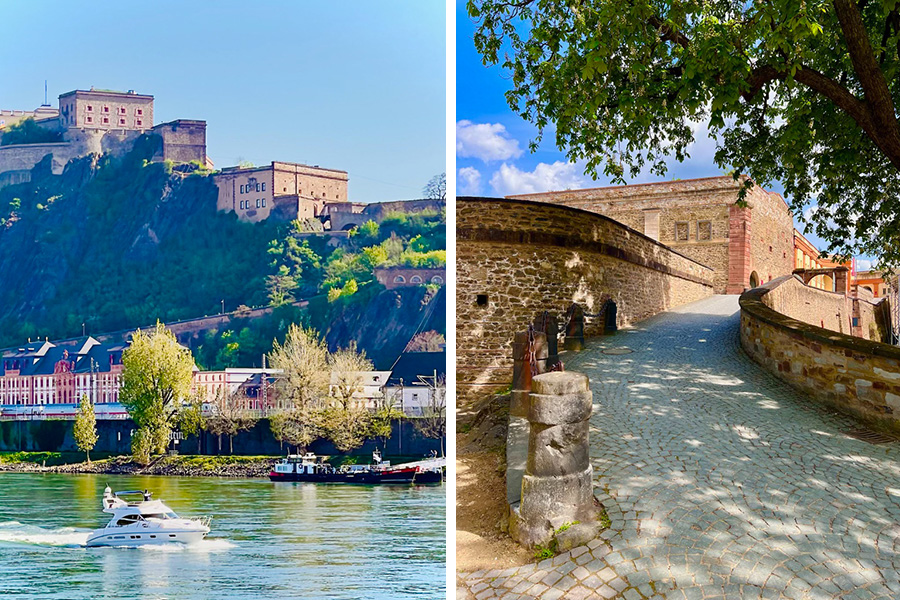
Later, from the panoramic views of Ehrenbreitstein Fortress overlooking the meeting point of the Mosel and Rhine rivers, the lesson became even clearer.
Historic preservation and modern rebuilding existed side by side throughout the region. The enormous 121-foot statue of Kaiser Wilhelm I stood above Deutsches Eck while cyclists threaded through busy public squares below.
Nearby, inside Cahua, a natural chocolate manufacturer specializing in bean-to-bar production, visitors watched craftsmanship unfold in real time.
Whether in wine, chocolate, hospitality, or storytelling, the people and businesses throughout these German wine regions seemed far less interested in perfection than process.
Increasingly, audiences are responding to the same shift.
The creators gaining the deepest trust today are often the ones moving away from hyper-curated perfection and toward something more grounded. Less performance. More perspective. Less constant visibility. More intentional presence.
Why Emotionally Exhausted Creators See Themselves Here
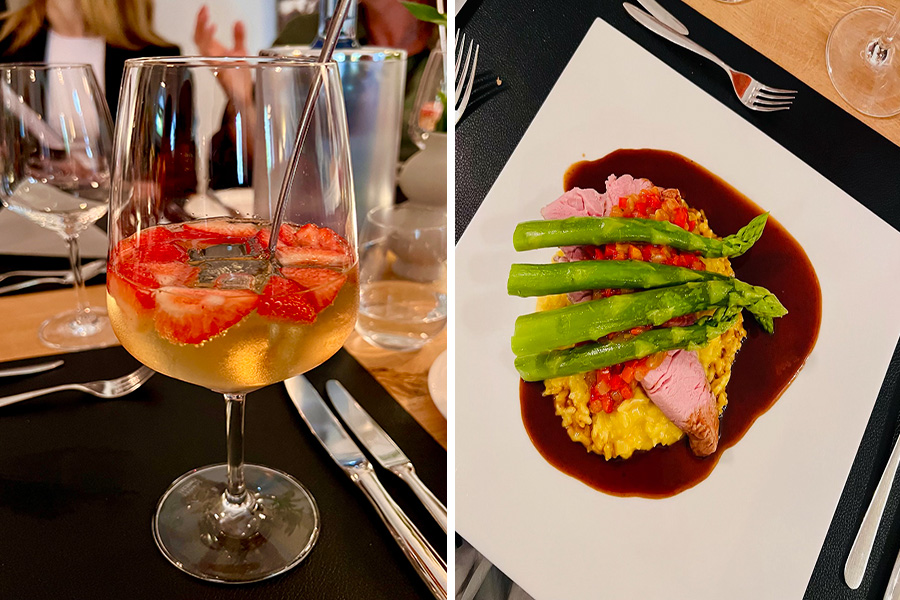
By our final dinner at Gerhards Genussgesellschaft, the larger emotional parallel between the region and creator culture had fully crystallized for me.
Germany’s Rhine Valley does not romanticize endless optimization. It values pacing. Craftsmanship. Recovery. Longevity.
Meanwhile, emotionally exhausted creators are beginning to realize that constant reinvention is not the same thing as growth.
Many are no longer searching for bigger audiences.
They are searching for sustainability. Not just financially, but emotionally.
They want careers capable of surviving difficult seasons. Audiences that feel connected instead of extracted. Businesses that can evolve without requiring constant reinvention of identity.
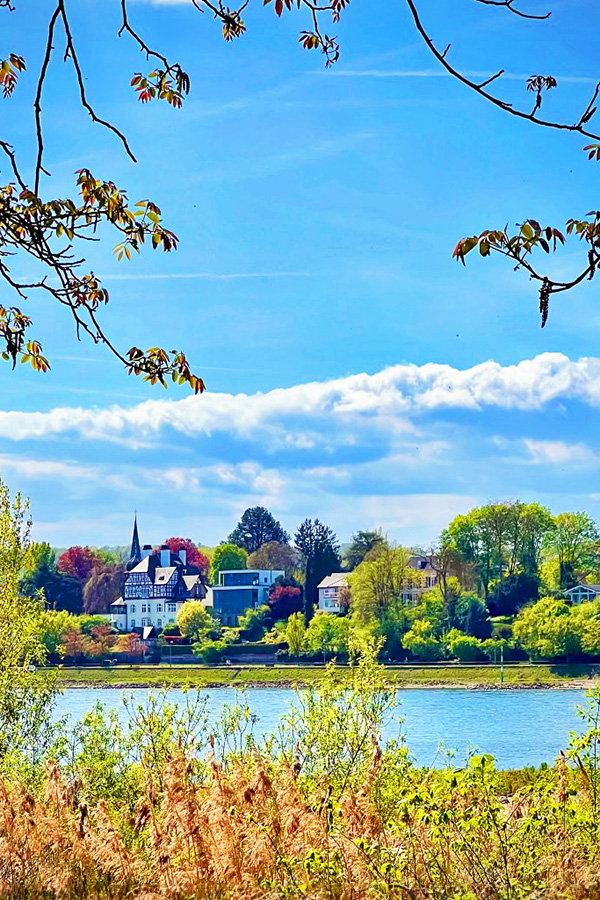
In many ways, the rebuilding happening throughout the Ahr Valley mirrors the quieter recalibration happening across creator culture itself.
Perhaps that is the real reason places like Bad Neuenahr Ahrweiler and Koblenz resonate so deeply right now.
Not simply because the wine is exceptional or the scenery beautiful. But because these communities model another way to build a meaningful life.
One where rebuilding remains visible, identity deepens instead of constantly rebranding itself, and endurance matters more than performance.
FAQ
What is special about Bad Neuenahr Ahrweiler?
The Ahr Valley is known for steep vineyards, exceptional Pinot Noir wines, spa culture, and resilient communities rebuilding after the devastating 2021 flood. It remains one of Germany’s most beloved German wine regions.
What wines are popular in the Middle Rhine wine region?
German Riesling wines dominate the Middle Rhine wine region, though Blanc de Noir and Pinot Noir are also widely enjoyed throughout the Rhine Valley.
Is Koblenz worth visiting for wine lovers?
Yes. this quaint German community offers walking wine tours, Rhine River cruises, historic landmarks, castle views, and easy access to surrounding wineries throughout the Rhine Valley.
What is Blanc de Noir wine?
Blanc de Noir is a white or lightly blush wine made from red grapes, often Pinot Noir. It tends to be fresh, lightly fruity, and incredibly versatile with food.
How long should travelers spend in the Ahr Valley and Rhine Valley?
A four-day itinerary allows enough time for wine tastings, river cruises, village exploration, and cultural experiences. But honestly, the slower the itinerary, the more rewarding the experience becomes.
Continue Exploring Eco, Retreat, and Conscious Luxury
- Luz Charming Houses, Fatima, Portugal: a soul-stirring retreat in a pilgrimage town.
- The World’s Best Treehouse Hotels: the curated guide for the year you sleep in a canopy.
- Yonder Escalante, Utah: glamping done right in the redrock.
- 5 Green Hotels for Luxury Eco Travel: California’s quietest, most considered properties.
- MacArthur Place, Sonoma: a bridge into the Wine, Ranch, and Land-Led Stays library.
For the wider 2026 framework, visit the considered traveler’s atlas, Millennial Magazine’s curated luxury travel guide.