

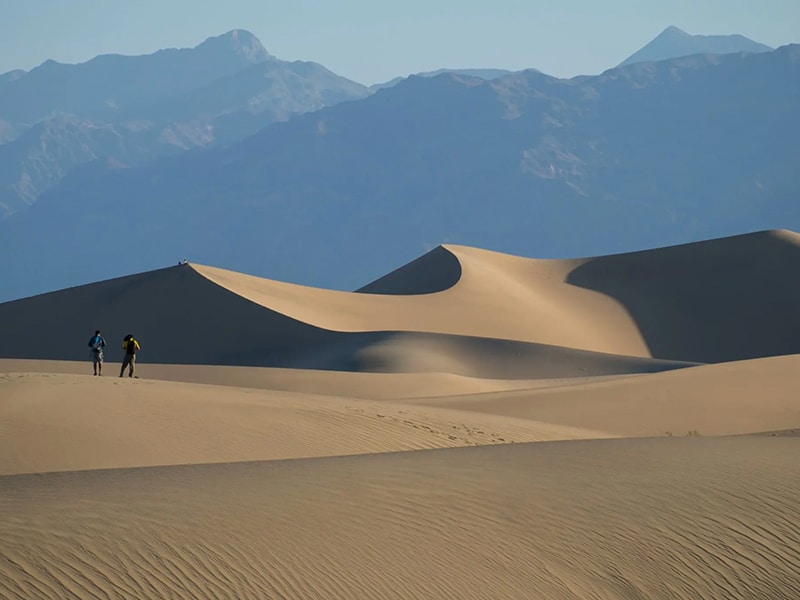
While it has a name that might make some pause before visiting, Death Valley National Park is an incredible place that is well worth the journey. Located in the Mojave Desert of California and Nevada, this park boasts stunning views, unique geological features, and plenty of outdoor activities.
If you’re looking for some helpful pointers as you make your way to Death Valley, then you’ve come to the right place. Below you’ll find a complete list of the most frequently asked questions (FAQs) and my answers accordingly.
These tips are designed to help you make the most of your visit while staying safe and comfortable. From what to pack to the best times to explore, having a plan can enhance your experience. With a little preparation, you’ll be ready to enjoy all the natural beauty and unique features the park has to offer.
Think of this as a comprehensive guide for visiting Death Valley National Park that will set you up for success.
This guide will help you plan your visit efficiently and make the most of your time in the park. From practical tips on navigating the terrain to suggestions for must-see sights, you’ll feel confident and prepared. By following these insights, your adventure is sure to be safe, enjoyable, and truly memorable.
It’s time to take a closer look at what you can expect when you visit Death Valley National Park. Yes, it’s one of the hottest places on planet Earth, but also yes, it’s absolutely worth the visit.
Where Is Death Valley National Park?
Spanning a vast and dramatic landscape, this destination is known for its extreme conditions and striking natural beauty. Visitors from around the world are drawn to its unique terrain and otherworldly scenery. It offers a rare opportunity to experience nature in one of its most raw and powerful forms.
Death Valley National Park is a desert valley located in the northern Mojave Desert that stretches nearly 5,270 miles from south-central California into Nevada. The park is managed by National Park Service and is home to countless mountains, hills, flats, and all sorts of terrain in between.
But if we’re talking about travel and adventure, Death Valley National Park is a unique and beautiful destination that offers a wide range of outdoor activities for visitors to enjoy.
From exploring vast salt flats to hiking rugged canyons, there is something here for every kind of traveler. The ever-changing light and dramatic landscapes make it a paradise for photographers and nature enthusiasts alike. No matter your travel style, this destination promises an unforgettable and awe-inspiring experience.
Whether you’re looking for a challenging hike, a scenic drive, or a relaxing camping experience, Death Valley has something to offer.
You can explore hidden viewpoints, discover unique rock formations, and take in breathtaking desert sunsets. Stargazing here is also exceptional, thanks to the clear skies and minimal light pollution. No matter how you choose to spend your time, each moment offers a chance to connect with nature in a truly remarkable setting.
However, planning a trip to Death Valley can be a bit tricky, as the park’s extreme temperatures and remote location require careful preparation.
Bringing plenty of water, sun protection, and reliable navigation tools is essential for a safe visit. It’s also important to check weather conditions and road accessibility before heading out. With the right preparation, you can fully enjoy the experience while staying safe and comfortable.
What Should I Pack For My Death Valley Trip?
Planning ahead can make all the difference when visiting such a remote and expensive destination. Unlike typical travel spots, this area requires a bit more thought and self-sufficiency. Taking the time to prepare properly ensures you can fully enjoy the adventure without unnecessary stress.
Let’s face the facts here: Death Valley National Park is huge, with very limited amenities (or gas stations for that matter) to choose from. Therefore, it’s important to come prepared to make sure your trip is fun, safe, and memorable!
Here are a few essentials that I recommend packing:
What Are The Best Hikes In Death Valley National Park?
Over time, each visit has revealed something new and unforgettable about this remarkable landscape. The variety of terrain and viewpoints keeps the experience fresh no matter how many times you return. It’s the kind of place that invites exploration and rewards curiosity with every trip.
Since my first trip to Death Valley, I’ve been back a handful of times to take advantage of the amazing hikes and views that come with them. My favorite by far has to be Badwater Basin, Zabriskie Point, and the Mesquite Flat Sand Dunes.
Each location offers a completely different perspective, from vast salt flats to rolling dunes and dramatic overlooks. The diversity of landscapes makes every visit feel like a new adventure waiting to unfold. It’s no surprise that these unforgettable spots keep drawing visitors back time and time again.
With Death Valley being so big, you’re able to find a wide variety of hikes and trails to choose from, whether you want an easy and pleasant walk or a more challenging hike to soak in views of the entire park.
This flexibility makes it easy to tailor your experience to your skill level and interests. Whether you prefer a quick scenic stop or a full-day trek, there’s always something to match your pace. No matter which path you choose, the surrounding landscapes ensure a rewarding and memorable outing.
Hiking Death Valley is possible for everyone, no matter their preference or skill level.
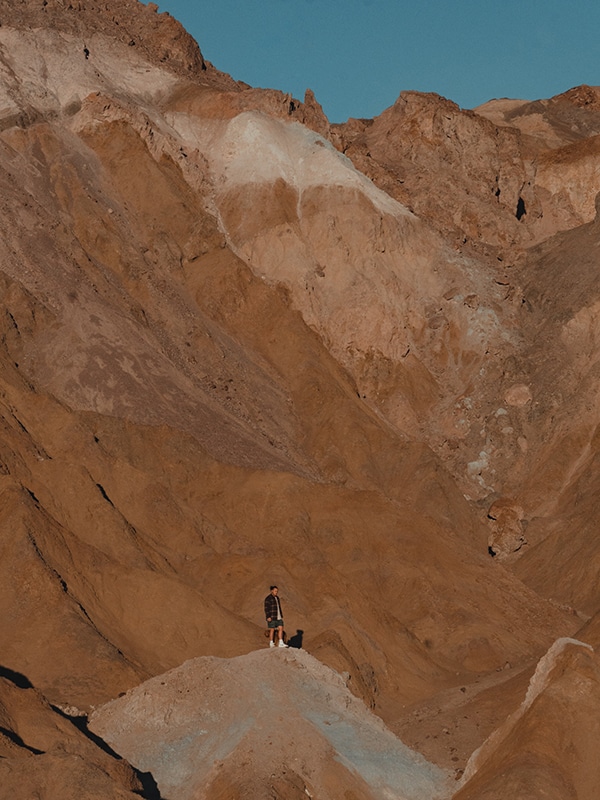
Zabriskie Point (Easy, 0.6 Miles Out And Back)
Shouldn’t take more than 20 minutes and offers one of the most scenic views of Manly Beacon and Red Cathedral. If you’re a photographer like me, then you’ll be in good company here with many other photography enthusiasts setting up shop to capture the perfect shot.
Mesquite Flat Sand Dunes (2 Miles+ Round Trip)
As one of the most accessible trails in Death Valley, the Mesquite Sand Dunes tends to be very busy.
Despite the crowds, the sweeping dunes and golden sand provide plenty of space to enjoy the landscape and take stunning photos. Early mornings or late afternoons offer the best light and cooler temperatures for a more comfortable experience. Walking among the dunes is both peaceful and invigorating, making it a must-try for any outdoor enthusiast.
Go right in time for the Death Valley sunset for some amazing golden hour views. Oh, and be sure to bring a board: Sandboarding is allowed if that’s your thing.
Darwin Falls (2 Miles Round Trip)
Nature has a way of surprising us with hidden gems in the most unexpected places. Even in arid and seemingly inhospitable landscapes, pockets of greenery and life can thrive. Water sources, rare in desert regions, often create stunning contrasts that captivate every visitor.
Told you Death Valley has something for everyone. As the name suggests, Darwin Falls is a waterfall, a rather lush oasis smack dab in the middle of salt flats, tall mountains, and badlands.
Keep in mind that this hike doesn’t have a formal trail so you’ll have to do some scrambling. But the views are absolutely worth it.
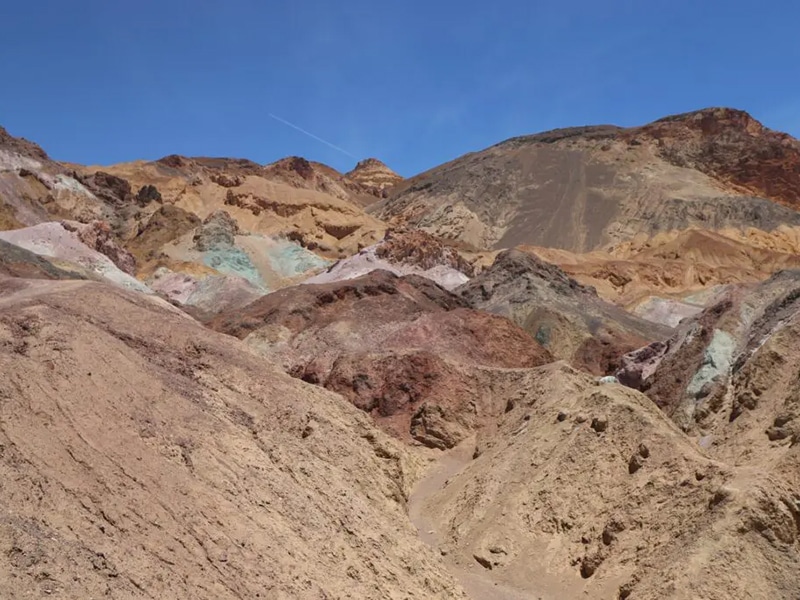
Artist’s Palette (<0.5 Miles Round Trip)
While technically not much of a hike, Artist’s Palette still deserves a spot on the list of best hikes because of the once-in-a-lifetime view it has to offer. To get there, you’ll drive along Artist’s Drive, a fully paved loop. You’ll find the parking lot about 5 miles in.
This easy hike offers easily one of the most scenic viewpoints as you’re exploring Death Valley, with a wide range of colors from pinks to greens in the mountainous rocks. For Star Wars nerds, you might even recall seeing these mountains in A New Hope!
The trail provides plenty of opportunities for photography, capturing the vibrant hues and unique rock formations. Wildlife sightings are also common, adding an extra layer of interest to your hike. Overall, it’s a rewarding experience for both casual hikers and avid adventurers alike.
Badwater Basin (1-5 Miles Out And Back)
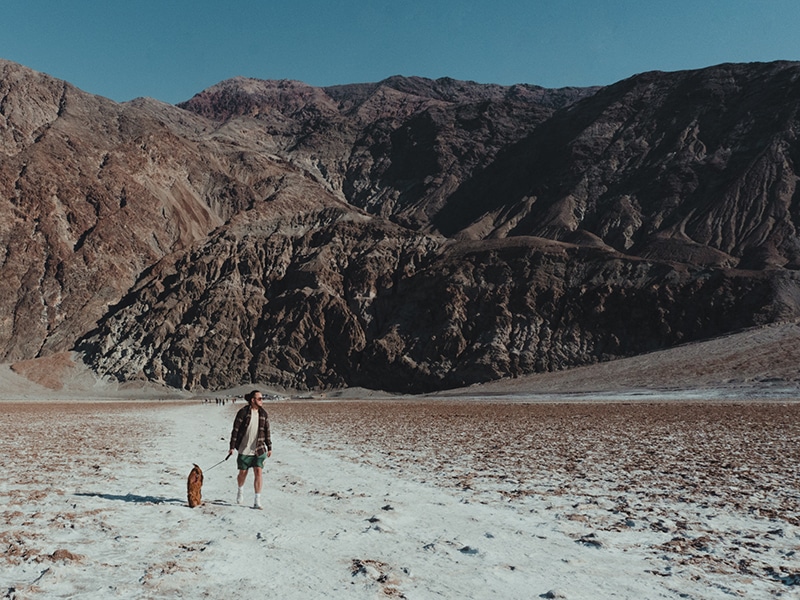
As one of my very first Death Valley hikes, it would be a shame to leave out Badwater Basin. On top of that, Badwater also just so happens to be the lowest point in all of North America at 282 feet below sea level.
The vast salt flats create a surreal, almost otherworldly landscape that’s perfect for walking and photography. Sunrises and sunsets here offer truly breathtaking views that are hard to forget. Spending time at this unique location gives you a sense of scale and wonder that stays with you long after your visit.
You can’t take a trip to Death Valley and not visit Badwater Basin!
As you walk along the mostly flat trail, you’ll see the Badwater Salt Flat on either side of the trail, a nearly 200-square-mile bed of salt crystals in amazing formations. Walk in along the trail as far as you want to go while you soak in the remnants of a lake that dried up thousands of years ago.
Salt Creek Interpretive Trail (0.8 Miles Loop)
One of the best things about Salt Creek Interpretive Trail is that it is ADA-accessible, so just about everyone can enjoy this quick loop trail. Technically, this hike is more of a stroll along a boardwalk that winds along Salt Creek.
On top of offering amazing views of Death Valley’s mountains and winding hills, this trail is one of the best places to spot the rather rare Salt Creek pupfish. These fish have evolved to withstand the often 100+ degree water temperatures.
Sadly, they are currently listed as an endangered species, so seeing them in person was truly a gift.
Natural Bridge Canyon Trail (1 Mile Out And Back)
As the name implies, Natural Bridge Canyon Trail leads you to, well, a natural bridge. A quick and easy trail, the journey starts with a gravel-paved path (Natural Bridge Road) that leads into the canyon. After about half a mile, you’ll reach the opening of the natural bridge.
This, of course, is where you’ll find all the tourists setting up their self-timers and then running into the frame. Snap your pic, and then either continue down the trail toward dried-out falls or turn back around.
Where Are The Best Viewpoints To See Sunset Or Sunrise?
Because there is very little light pollution, you can enjoy an amazing view of the Death Valley sunrise or sunset from virtually anywhere in the park. However, the most popular viewpoints are Zabriskie Point, Dante’s View, and the Mesquite Sand Dunes.
If you ask me, Zabriskie Point is my personal favorite because it’s a quick and easy walk up to the viewpoint.
This article was originally published on Wayfare with Piere. To read the full guide visit WayfareWithPierre.com